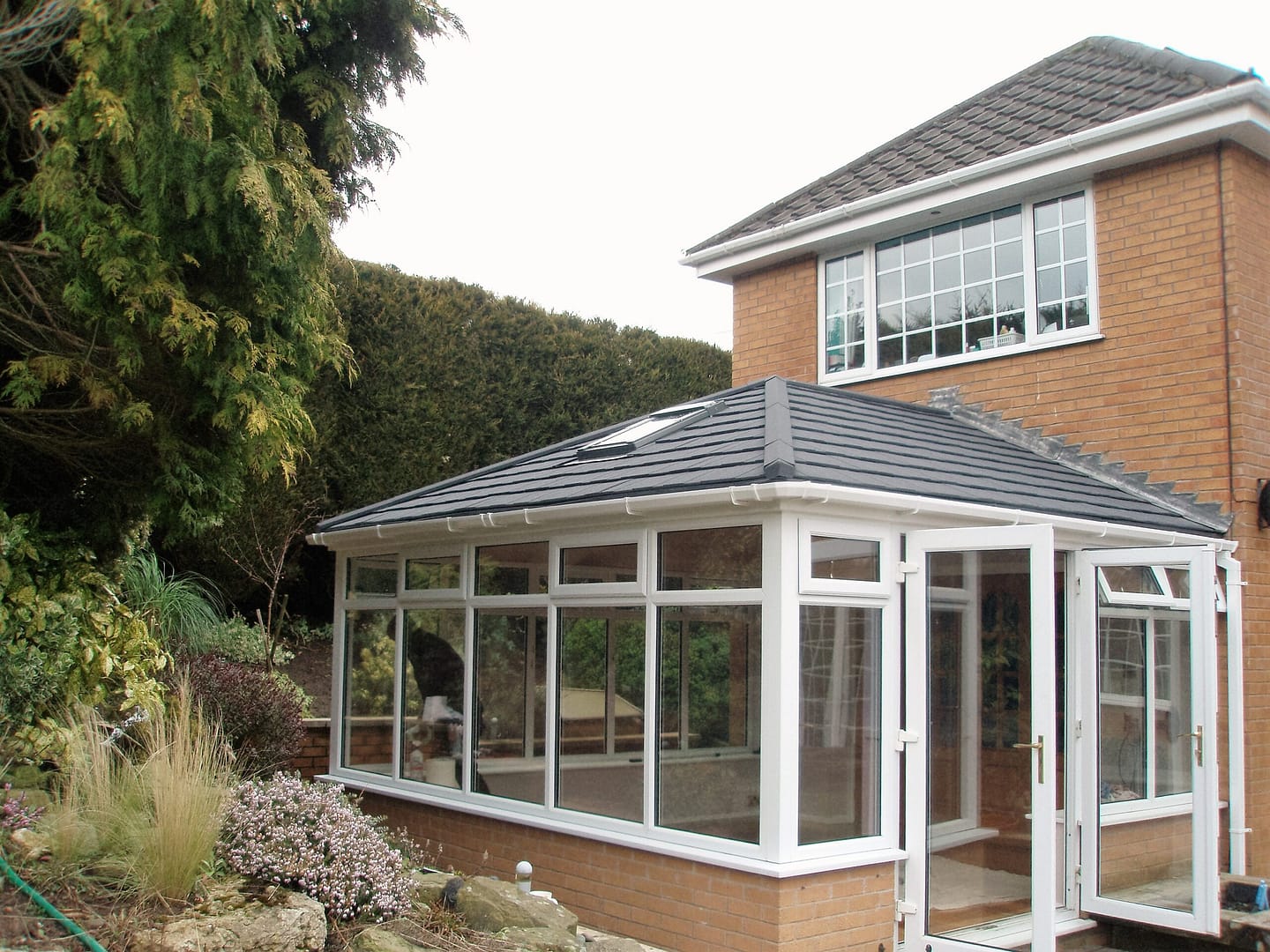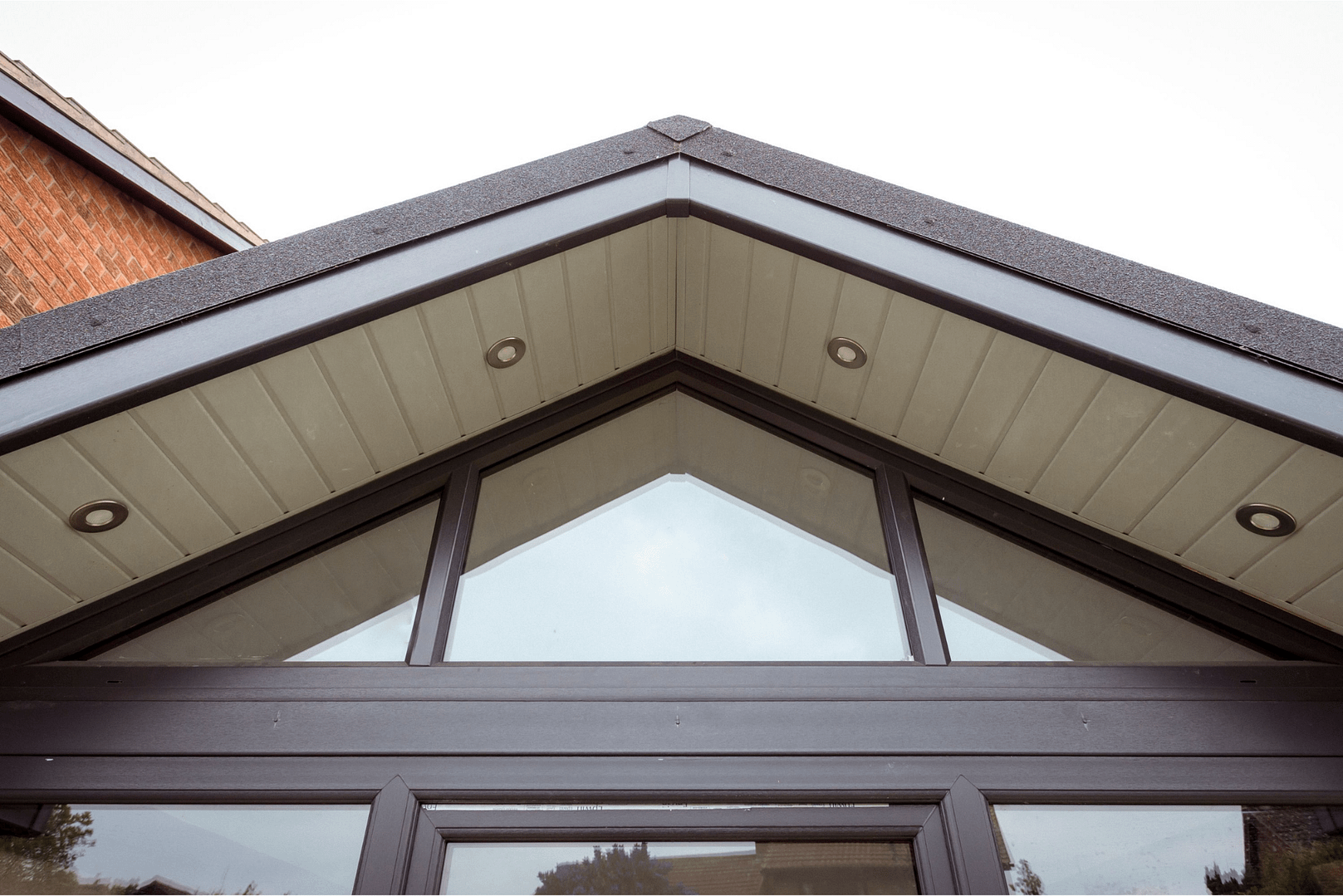

A home extension can completely change how you use your property. A typical home extension with Celestial Windows can take around 16 to 20 weeks from the first enquiry to final installation and completion.
The exact timeframe depends on the design and specifics of the extension, such as extending our kitchen, adding an additional living area, or installing a brighter space that connects more naturally with you garden. Other factors that impact on the timeline of your extension include: weather, building control requirements and whether local council approval is needed.
The full process will usually include:
- Deciding how you want to use the new room
- Discussing your ideas with Celestial
- Comparing roof, window and door options
- Receiving a quotation and agreeing the design
- Completing a detailed property survey
- Arranging building control or council checks where required
- Preparing the site and completing the groundwork
- Constructing the walls and main extension structure
- Measuring and manufacturing the windows and doors
- Ordering and installing the chosen roof system
- Completing electrical, plumbing and heating work
- Plastering, flooring and finishing the space
- Carrying out final checks and completing the project
Although there are several stages involved, the process does not need to feel overwhelming. Good planning helps prevent delays and ensures every part of the extension works together.
At Celestial Windows, we guide homeowners through the design, survey, construction and installation stages. Our team coordinates the process and keeps you informed as your extension takes shape. We’ve put this guide together so you can get a full understanding of what to expect when working with us.
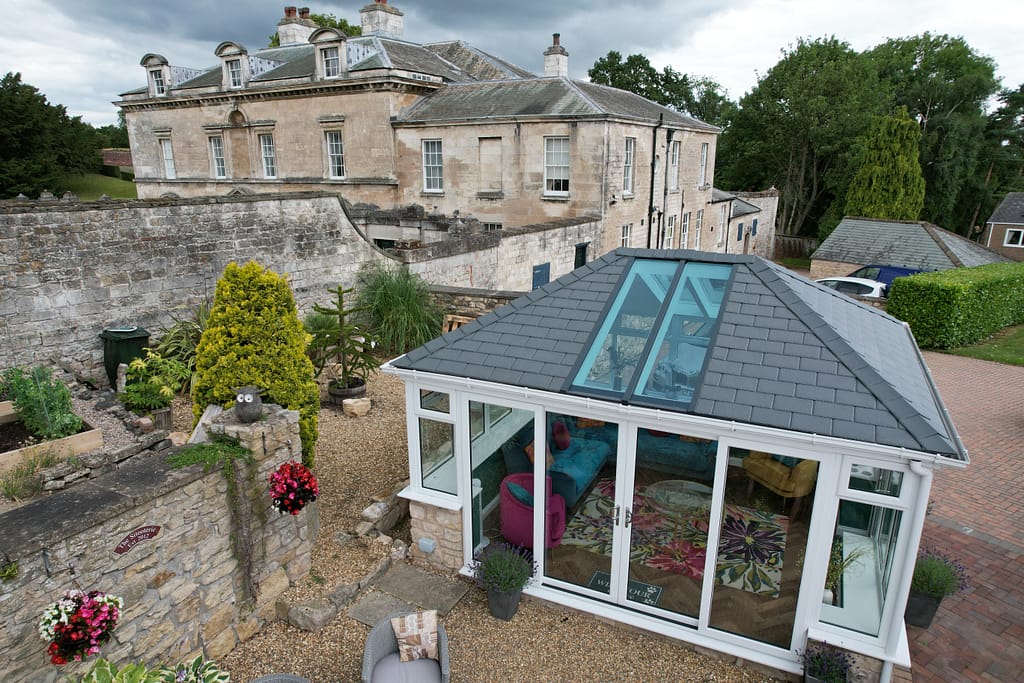
What Should You Consider Before Planning a Home Extension?
Before thinking about colours, doors or roof styles, start with how you want the finished room to work. A clear purpose will make every later decision easier.
Think about:
- How the room will be used: Will it become a larger kitchen, dining area, living room or multi-purpose family space?
- Whether plumbing is needed: Extending a kitchen may mean moving sinks, appliances or water supplies.
- Where furniture will go: Consider worktops, sofas, dining tables, storage and walkways before deciding where windows and doors should sit.
- How the room will be heated: Think about radiator positions and whether the chosen roof or glazing will affect heat retention.
- How much garden space will remain: Check how far the extension will project and how it could affect access or outdoor seating.
- Whether outside services need moving: Existing taps, sockets, lighting or drainage may sit within the proposed build area.
- How natural light reaches your home: Consider the direction of the sun and whether the new structure could make existing rooms darker.
- How the extension will connect to the house: The layout should create a natural flow between the old and new spaces.
Pinterest, Google and completed extension projects are useful for gathering ideas. Save examples of what you like, as well as features you would rather avoid. You do not need a finished design at this stage.
When Should You Contact Celestial About an Extension?
You should contact Celestial once you have a basic idea of how you want to use the new space. You do not need final measurements, detailed specifications or every product already chosen.
Speaking to our team early allows practical decisions to be considered together. The intended use of the room can influence the roof, glazing, heating and door layout.
For example, wide bi-fold doors may provide an excellent connection to the garden, but they need space to fold. A lantern roof can introduce plenty of light, while an insulated roof may better suit a room designed for year-round use.
Early advice can also highlight details that are easy to overlook. This may include outdoor sockets, radiator positions, access for construction or the effect the extension could have on natural light. Identifying these points before work begins can reduce changes, delays and unnecessary costs later.
What Happens During the First Design Appointment?
The first design appointment is a relaxed fact-finding conversation. It helps us understand what you want from the extension before we begin recommending products or preparing a quotation.
Paul, our senior sales executive, will usually start by asking one simple question: how do you want to use the room?
An extension designed as a larger kitchen may need different glazing, heating and access arrangements from a second living room. Understanding how you plan to live in the space helps shape the design around your needs.
The conversation may cover:
- The main purpose of the room
- How much natural light you want
- Heating and radiator requirements
- Different roof options
- French, sliding or bi-fold doors
- Access to the garden or yard
- Space for doors to open or fold
- Furniture, worktops and walkways
- Your preferred style and budget
Some customers come to us with a clear picture of the finished extension. Others have a few initial ideas and want help comparing the options. Both are completely normal.
Paul can explain the practical advantages and limitations of each choice. He may also suggest ideas you had not considered, based on the layout of your home and how you want the room to work.
Initial measurements may be taken during the appointment so quotation work can begin. We will also explain the next stages, likely timescales and what you can expect as the project moves forward.
Choosing the Right Roof for Your Extension
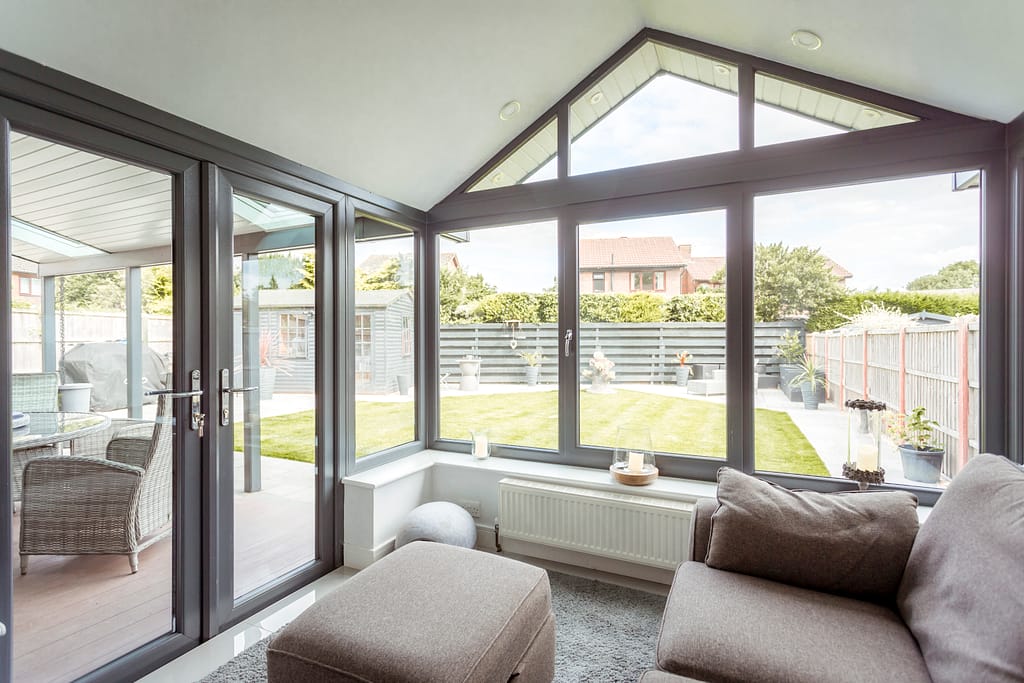
The roof will influence how bright, warm and spacious your extension feels. There is no single best option for every home. The right choice depends on how you plan to use the room, how much natural light you want and your heating requirements.
Lantern Roofs
A lantern roof is a glazed structure fitted into a flat roof. It allows natural light to enter from above and can make an extension feel brighter, taller and more open.
This can work particularly well in kitchen and dining extensions, especially where the new structure may reduce light entering the existing room.
Because a lantern includes a larger area of glass, it may allow slightly more heat loss than a fully insulated roof. This does not mean the room cannot remain comfortable, but heating should form part of the wider design. An additional radiator or another suitable heating option may be worth considering.
Icotherm Roof Systems
An Icotherm roof is a lightweight, insulated tiled roof system designed to deliver strong thermal efficiency. It can help an extension remain comfortable throughout the year, making it a practical option for living rooms, family spaces and larger kitchens.
Choosing an insulated roof does not mean giving up natural light. Glazed panels can be added in selected positions to brighten the room while retaining much of the roof’s thermal performance.
The best roof will depend on the balance you want to achieve. A lantern can maximise light and create a striking feature. An Icotherm system may offer greater insulation while still allowing glazing to be incorporated. During the design appointment, we can help you compare both options against how you intend to use the finished space.
Choosing Doors for a Home Extension
The doors you choose will affect how the extension looks, how you access the garden and how much usable space remains. The right option depends on the width of the opening, your budget and how you want the room to work throughout the year.
Here is a quick comparison:
| Door type | Main advantage | Important consideration |
| Bi-fold doors | Create the widest opening to the garden | Need space for the panels to fold |
| Sliding doors | Modern appearance without folding or swing space | Only part of the opening is usually accessible |
| French doors | Practical and often more economical | Do not create a full-width opening |
Bi-fold Doors
Bi-fold doors are a popular choice for extensions designed to connect the home with the garden. The panels fold together, creating a wide opening that can make the indoor and outdoor areas feel like one space.
They work particularly well during warmer weather when you want to open the extension fully for entertaining or family time.
However, the panels need somewhere to fold. Depending on the design, they may open inward or outward. This can reduce usable space inside the extension or take up part of the patio or garden.
It is worth thinking about furniture, worktops and outdoor seating before deciding which direction the doors should open.
Sliding Doors
Sliding patio doors offer a clean, modern appearance and do not need space to swing or fold. One panel slides behind another, making them practical where space is limited.
They can provide large areas of glass and help bring more natural light into the extension. However, they generally do not create as wide an opening as bi-fold doors because part of the doorway remains covered.
For many homeowners, sliding doors provide a useful middle ground. They offer modern styling and convenient garden access without needing the folding space required by bi-folds.
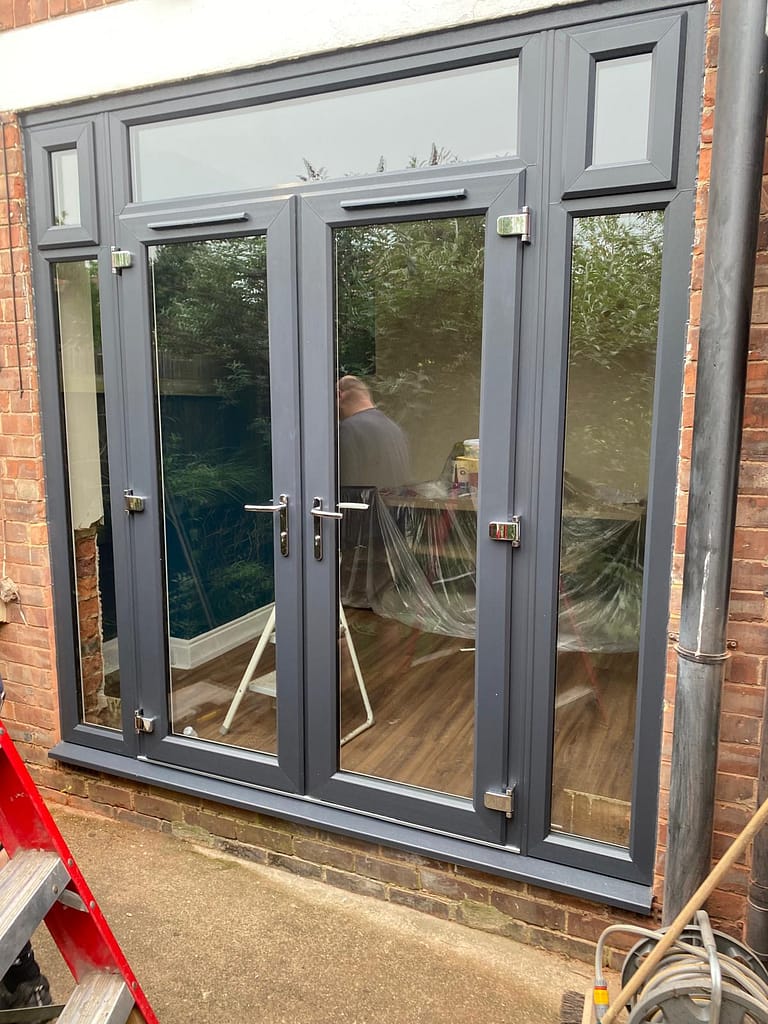
French Doors
French doors are often the most economical option and provide straightforward access to the garden. They can suit both traditional and modern extensions, with different colours, materials and finishes available.
French doors do not need the same width as a large bi-fold or sliding system. This makes them a practical choice where a full-width opening is not needed.
You should consider how the doors will be secured when left open. Suitable restraints or fittings may be required to prevent them moving in the wind.
The best option will depend on more than price alone. Think about how often you will open the doors fully, how much space you have and how you want the extension to connect with the garden. During your design appointment, we will help you compare the available options against the layout of your home.
What Happens During the Survey?
The survey normally takes place soon after you sign the contract, often within one week. It allows the team to check the agreed design, inspect the site and identify anything that could affect the build.
During the survey, the surveyor will usually:
- Review the contract and specification with you
- Confirm how the finished extension should look
- Take accurate measurements
- Check access to the proposed work area
- Consider where scaffolding may be needed
- Identify a suitable position for the skip
- Look for practical issues that could affect construction
- Discuss the findings with the builder and office team
The builder may visit during or shortly after the survey. This allows everyone involved to understand the site and plan the work properly.
Some projects require additional checks. For example, the team may need to inspect an existing base, complete a bore test or examine the ground conditions. These checks are not required for every extension. The surveyor will explain what is needed for your property and why.
A detailed survey reduces the risk of unexpected problems once construction begins. It also helps Celestial coordinate measurements, access, waste disposal and the different stages of the build.
Will Building Control or Council Approval Be Needed?
Some home extensions require building control approval, planning permission or input from the local council. The requirements depend on the property, the size and design of the extension, and the work involved.
Planning permission and building regulations are separate. Planning rules generally consider how the development affects the property and surrounding area. Building regulations focus on matters such as structural safety, insulation, ventilation and fire protection.
Many smaller projects may fall within permitted development rules, but this should never be assumed. Listed buildings, conservation areas and larger extensions can also be subject to additional requirements. Our guide to conservatory costs, planning permission and building regulations provides further background on some of these considerations.
A building control inspector may review:
- Structural details and foundations
- Measurements and construction plans
- Insulation and thermal performance
- Ventilation requirements
- Electrical and heating work
- Progress at key stages of the build
Some checks can be completed using measurements and photographs. Other projects may require an inspector to visit the property before or during construction.
Where it forms part of your project, Celestial will communicate with building control or the local council and help arrange the necessary checks. However, external response times are outside our control and can sometimes affect when building work begins.
The exact requirements will always depend on your proposed extension. They will be discussed during the survey and planning stages so you understand what needs to happen before construction starts.
How Long Does a Home Extension Take?
A typical Celestial home extension takes around 16 to 20 weeks from the first enquiry to final installation and completion. This is an estimated timeframe rather than a guarantee, as every project is different.
The design, weather, ground conditions and external approvals can all affect the schedule. However, the process will usually follow these seven stages:
1. Initial Discussion and Quotation
The process begins with a conversation about how you want to use the extension.
Celestial will discuss your ideas, compare suitable roofs, windows and doors, and consider practical details such as heating, natural light and garden access. Initial measurements may also be taken so the design and quotation can begin.
2. Contract and Survey
Once the design, quotation and contract are agreed, a detailed survey is arranged.
This will usually take place within one week. The surveyor confirms the specification, takes accurate measurements and considers access, ground conditions, scaffolding and waste disposal.
3. Approvals and Preparation
Some projects require building control checks or communication with the local council before construction can begin.
Celestial will help coordinate the relevant steps where they form part of the project. However, the time taken by external organisations to review and approve the work is outside our control.
During this stage, the team will also plan site access, scaffolding, skip placement and the order of work.
4. Groundwork and Construction
The builder prepares the site, excavates the ground and constructs the base, walls and main extension structure.
This phase typically takes around two weeks in suitable conditions, although rain, cold weather or unexpected ground issues can extend the timeframe.
Celestial arranges the scaffolding and waste disposal to help keep the building stage organised.
5. Manufacturing and Ordering
Once the main structure takes shape, the builder confirms the final sizes of the window, door and roof openings.
Celestial can then manufacture the uPVC products to fit those measurements accurately. The chosen lantern or insulated roof system is also ordered at the appropriate point.
Waiting until the openings are built helps reduce the risk of products being made to incorrect dimensions.
6. Internal and Finishing Work
Once the extension is watertight, the internal work can move forward.
Depending on the agreed project, this stage may include:
- Electrical wiring, sockets and lighting
- Plumbing work
- Radiator installation
- Plastering
- Self-levelling flooring
- Other internal finishing work
The exact sequence will depend on the design and how you intend to use the room.
7. Final Installation and Completion
The windows, doors and remaining roof elements are fitted, followed by the final finishing work and checks.
The team will make sure the agreed parts of the project have been completed and explain anything you need to know about your new products.
Although 16 to 20 weeks is a useful guide, unexpected delays can happen. Good planning, accurate surveying and clear communication help keep the extension moving as smoothly as possible.
What Disruption Should You Expect?
Building a home extension will cause some temporary disruption. The main things to expect are noise, mud and more activity around your property than usual.
During the work, you may notice:
- Building noise during excavation and construction
- Mud around the garden or access routes
- Deliveries of materials
- Waste being removed
- A skip or scaffolding outside the property
- Limited access to part of the garden
- Different tradespeople working at your home
Some stages will naturally be louder than others. The team will let you know before particularly noisy work begins, helping you plan around working from home, children, pets or other commitments.
Where possible, open areas between the extension and the rest of your home will be closed off. This helps reduce dust, noise and unnecessary disruption inside the property.
Celestial also manages arrangements for waste disposal and scaffolding. Team members avoid using the customer’s facilities unnecessarily and keep access routes as organised as the work allows.
Professional fitting is particularly important when the extension reaches the window and door installation stage. Poorly sealed glazing can eventually contribute to draughts, heat loss and moisture problems. Our guide to the signs that double glazing may need replacing explains some of the problems that correct manufacturing and installation help prevent.
The process will not be disruption-free, but our team will explain what is happening and take practical steps to limit its effect on the rest of your home.
What Can Delay a Home Extension?
Even with careful planning, some delays can happen during a home extension. A few may add only a day or two, while others can affect the wider project timeline.
Common causes include:
- Heavy rain or very cold weather
- Slow responses from the local council
- Additional building control requirements
- Unexpected ground or foundation issues
- Changes to the agreed design
- Extra ventilation requested by an inspector
- Alterations needed to meet building regulations
- Difficult access for materials, skips or scaffolding
Some factors, such as weather and council response times, are outside Celestial’s control. However, a detailed survey, early planning and clear communication can reduce avoidable delays.
If anything changes during the build, the team will explain what is needed and how it may affect the schedule.
What Happens During the Building Work?
Once the necessary checks are complete, the practical building work can begin. Celestial coordinates the different stages and trades, helping the project move forward in the correct order.
The building process will usually include:
- Preparing the site
The builder clears and prepares the area where the extension will be constructed. Access arrangements, deliveries and working space are confirmed before excavation begins. - Constructing the base and walls
The builder excavates the ground, prepares the foundations and constructs the base and walls. Celestial also arranges the skip, waste removal and scaffolding where required. - Confirming the final opening sizes
Once the structure takes shape, the builder provides accurate measurements for the window, door and roof openings. Celestial can then manufacture the uPVC products to fit the finished recesses correctly.
Accurate manufacturing and fitting help create a secure, weather-resistant finish. Our guide to how Celestial fixes draughty homes across Teesside explains why well-fitted windows, seals and glazing are important for comfort and energy efficiency. - Completing electrical, plumbing and heating work
The electrician assesses where sockets, lighting and other electrical features are needed. Plumbing and radiator work can also begin where the design requires them. - Making the extension watertight
The roof, windows and doors are installed at the appropriate stage to protect the new structure from the weather. This allows the internal work to progress. - Completing the interior
Once the extension is watertight, plastering, self-levelling flooring and other finishing work can follow. The exact order will depend on the design and how the room will be used.
Celestial coordinates the relevant trades throughout the project. This helps ensure each stage is completed at the right time and reduces the risk of one part of the work holding up another.
How Can You Prepare Before the Work Starts?
We will organise and prepare the main work area, but a few simple steps can help everything begin smoothly:
- Clear a safe route to the extension area
- Move garden furniture, plant pots and fragile items
- Keep children and pets away from the work zone
- Confirm any parking or access restrictions
- Tell the team if you work from home
- Plan ahead for the noisiest stages
- Raise any questions before construction begins
You will be told what to expect before work starts. There is no need to prepare the building area yourself unless the team asks you to move something specific.
Planning Your Home Extension With Celestial
A successful home extension starts with understanding how you want the new room to work. Once that is clear, decisions about the roof, doors, glazing, heating and layout become much easier.
The most important points to remember are:
- Start by deciding how you want to use the finished room.
- Think about natural light, heating, access and garden space together.
- Contact Celestial once you have a basic idea, even if the details are not final.
- Choose roof and door options based on how you will use the space.
- Accurate surveying and measurements help prevent problems later.
- Building control or council responses may affect the timeline.
- Weather and unexpected site conditions can sometimes cause delays.
- A typical Celestial extension may take around 16 to 20 weeks.
- Celestial coordinates the design, manufacture, building work and fitting.
- Early planning and clear communication help the project run more smoothly.
You do not need finished plans or every product selected before speaking to us. Our team can listen to your ideas, explain the available options and identify practical details you may not have considered.
Once you have a basic picture of the space you want to create, contact us today and let’s get started. We can help you understand what is possible and guide you through each stage of your home extension.