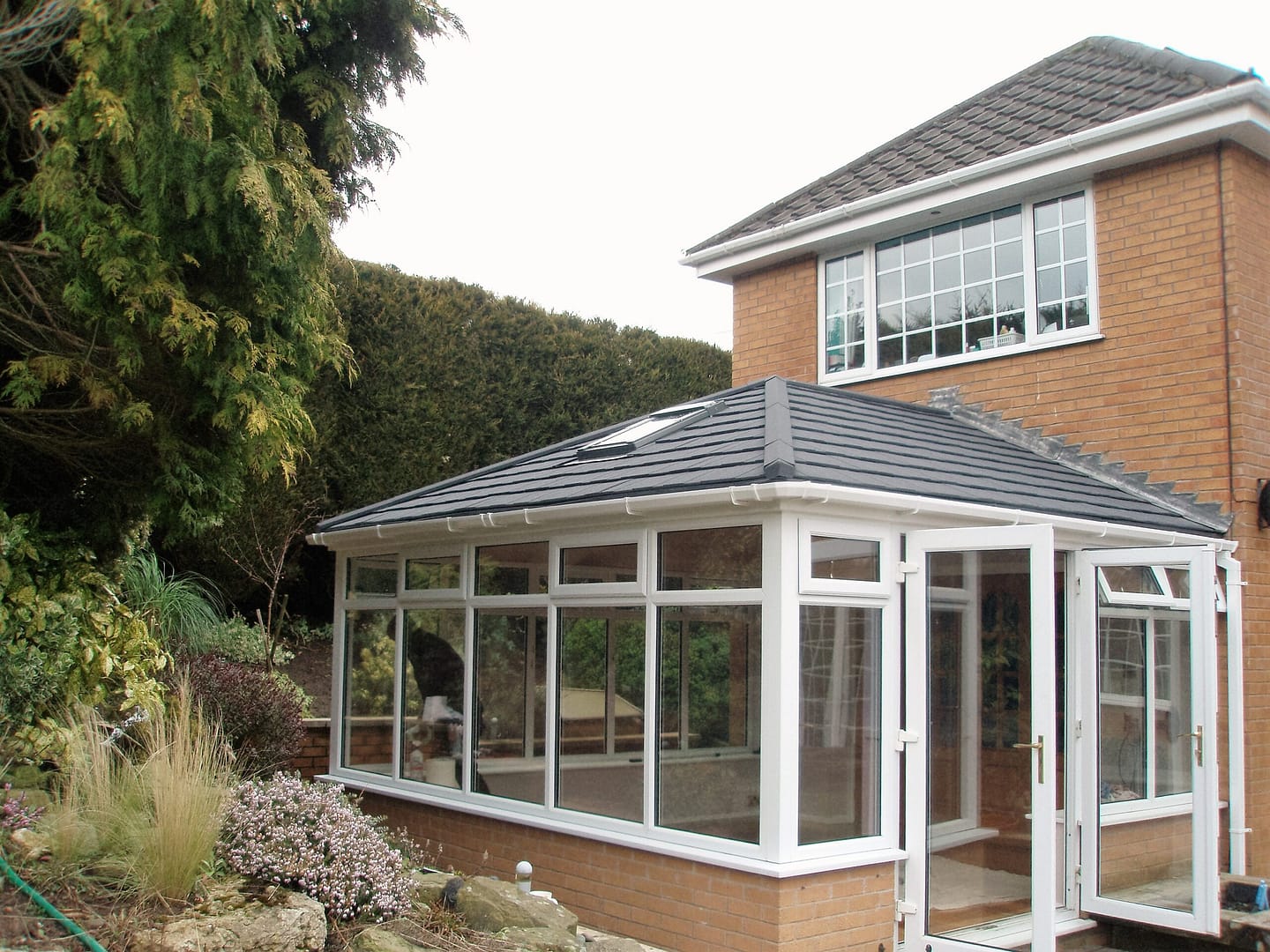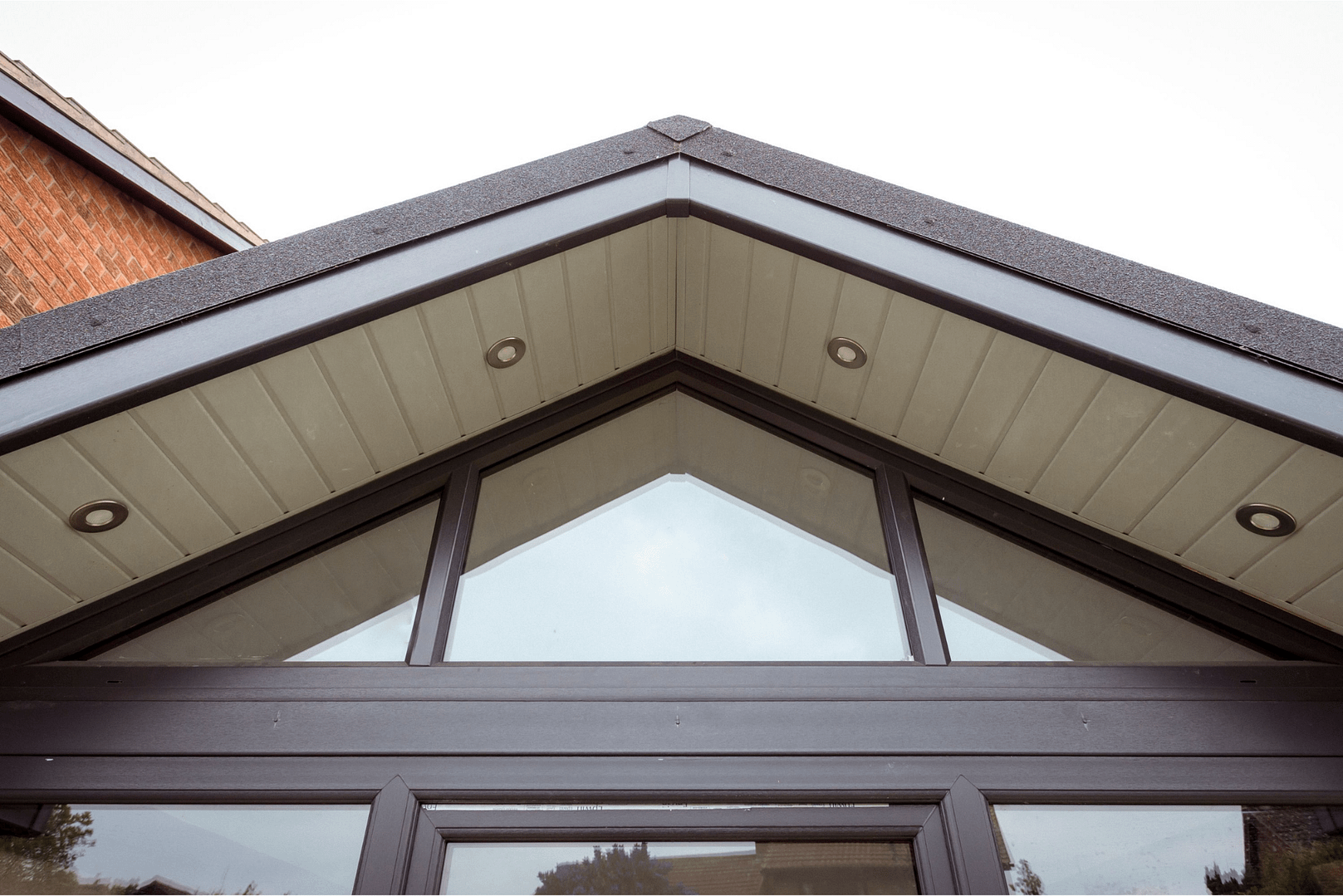

Fully fitted conservatory prices in the UK typically range from around £9,000 to £25,000 – or more. The total cost depends on the size, style, materials, and specification chosen. A fully fitted conservatory includes far more than the frames and glass alone. It usually covers the survey, foundations, installation, and many of the essential elements needed to create a finished living space.
This is very different from a supply-only conservatory kit, which provides the materials but leaves the groundworks, construction, and installation to the homeowner or a separate contractor.
The final price of a conservatory can vary significantly based on:
- The size and style of the conservatory
- The type of roof and glazing selected
- The choice of frame material
- Groundworks and foundations
- Internal finishes, heating, and electrics
- Planning or Building Control requirements
The purpose of this guide is to explain exactly what a fully fitted conservatory includes, highlight the costs that may fall outside the initial quotation, and help homeowners compare prices on a like-for-like basis.
At Celestial Windows, we design and install bespoke conservatories across Middlesbrough and Teesside, helping homeowners create practical, energy-efficient spaces that are tailored to their property, budget, and lifestyle.
What Does “Fully Fitted” Include?
One of the biggest mistakes homeowners make when comparing fully fitted conservatory prices is assuming that every quote includes the same work. In reality, one installer’s “fully fitted” package can be very different from another’s.
A comprehensive quotation should cover everything needed to take the project from the initial survey through to the finished conservatory. Understanding what is included helps you compare prices fairly and avoid unexpected costs later on.
Survey and Design
Every project should begin with a professional site survey and bespoke design process.
This typically includes:
- Accurate measurements of the property
- Advice on conservatory styles and layouts
- Guidance on roof and glazing options
- Preliminary planning and Building Regulations discussions
- Recommendations based on the property’s size, orientation, and intended use
A tailored design ensures the conservatory works with both your home and your lifestyle.
Foundations and Base Construction
Strong foundations are essential for the long-term performance of any conservatory.
A fully fitted project will often include:
- Ground excavation and site preparation
- Concrete footings and foundations
- Damp-proof courses
- Insulated floor construction
- Brickwork or rendered dwarf walls
- Drainage alterations where necessary
A conservatory should never be built on an unsuitable patio or existing slab without proper assessment.
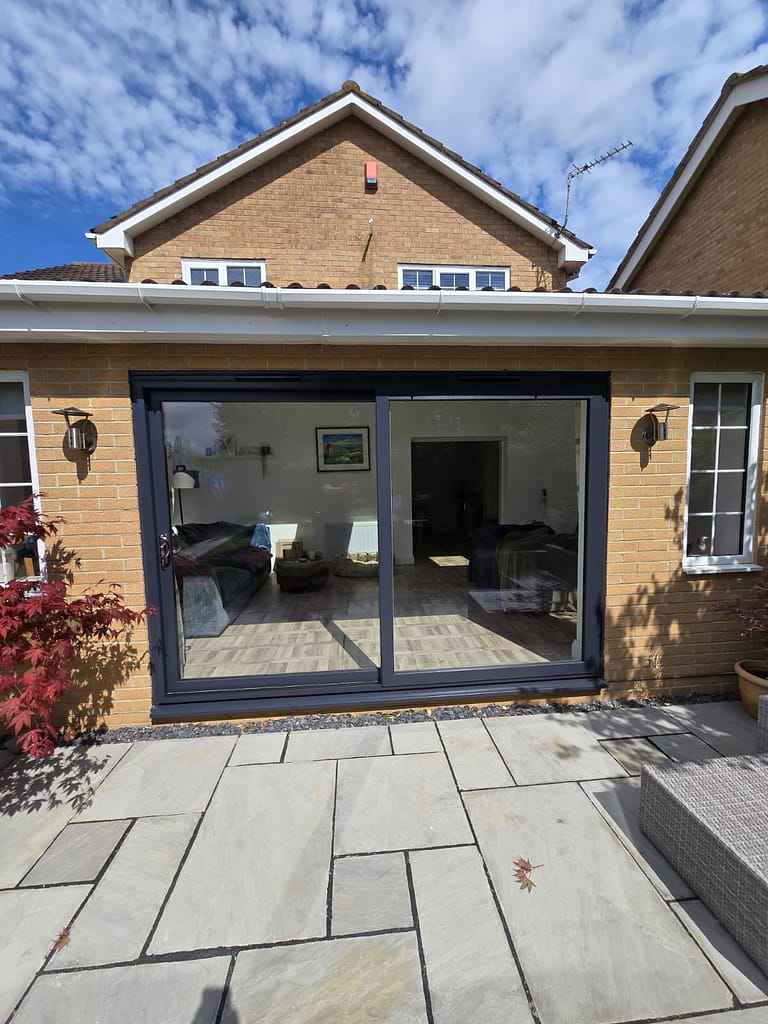
Frames and Glazing
The frame material and glazing specification have a major influence on both cost and energy efficiency.
Homeowners can typically choose from:
- Low-maintenance uPVC frames
- Premium aluminium systems
- Traditional timber conservatories
Modern installations also include:
- Energy-efficient double glazing
- Triple glazing options where appropriate
- Multi-point locking systems
- Enhanced security features
- Solar-control and privacy glass upgrades
Roof Options
The roof plays a significant role in the appearance and usability of the conservatory.
Common choices include:
- Polycarbonate roofs
- Glass roofs with self-cleaning coatings
- Solid or tiled roofs
- Hybrid roof systems combining solid sections and glazing
Many modern roofs also include:
- Roof vents for improved airflow
- Solar-control glazing
- Integrated insulation
- Better thermal performance throughout the year
Doors and Ventilation
The choice of doors affects both access and the overall feel of the space.
A fully fitted conservatory may include:
- French doors
- Sliding patio doors
- Bi-fold doors
- Trickle vents
- Opening windows
- Roof ventilation systems
Good ventilation helps keep the conservatory comfortable during both summer and winter.
Heating and Electrics
Many homeowners want their conservatory to function as a true extension of the home rather than a seasonal room.
Additional features may include:
- Electrical sockets
- Ceiling lights and spotlights
- Underfloor heating
- Electric radiators
- Traditional central heating connections
- Ventilation fans
It is important to confirm whether these items are included within the quotation or priced separately.
Plastering and Internal Finishes
A complete installation often includes work that transforms the conservatory into a finished living space.
This may involve:
- Insulated internal walls
- Plasterboard installation
- Plaster skim finishes
- Painting and decorating
- Skirting boards and trims
- Internal window boards
These details have a significant impact on both comfort and appearance.
Planning, Building Control and Final Costs
Depending on the project, a fully fitted conservatory price may also include:
- Assistance with planning applications, where required
- Building Regulations compliance
- Building Control inspections
- Waste removal and site clearance
- Final cleaning
- VAT at 20%
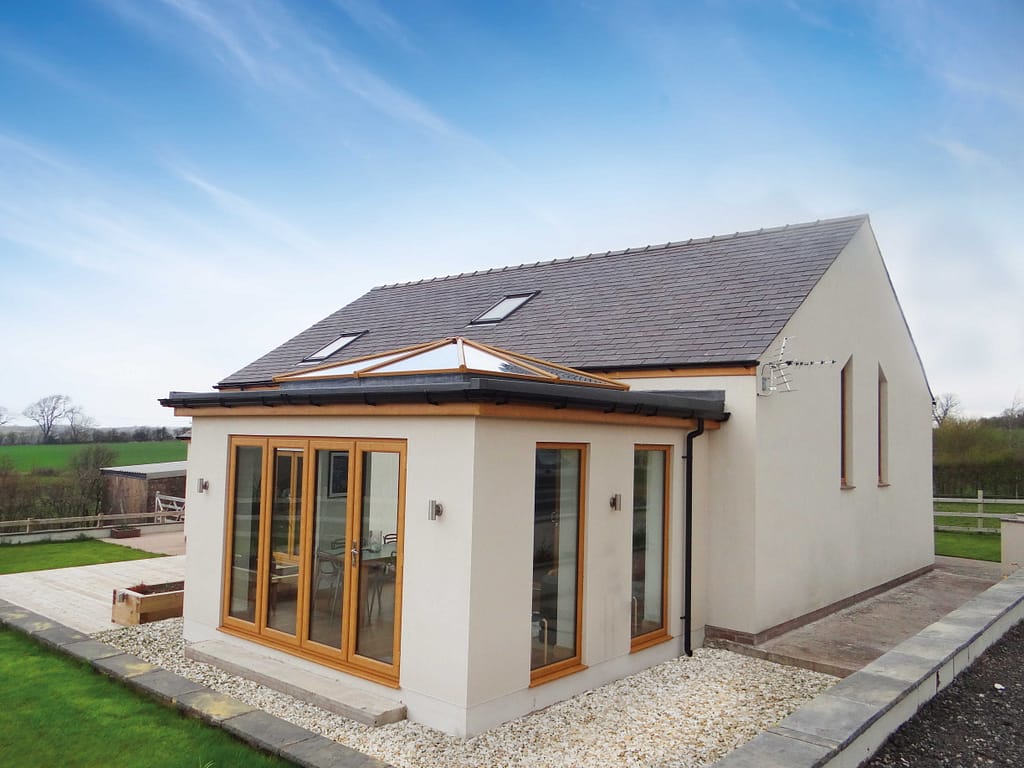
Factors That Affect Fully Fitted Conservatory Prices
No two conservatory projects are exactly the same. While size is important, several other factors influence the final cost of a fully fitted conservatory, from the materials you choose to the complexity of the installation.
Understanding these variables can help you budget more accurately and compare quotations on a like-for-like basis.
Size and Style
The size and design of the conservatory have a major impact on material requirements and labour costs.
In general:
- Lean-to conservatories are usually the most economical option due to their simple roof design.
- Edwardian conservatories offer excellent internal space but require a more complex roof structure.
- Victorian conservatories feature decorative faceted fronts, increasing manufacturing and installation time.
- Bespoke designs and orangeries typically sit at the premium end of the market because of their customised layouts and additional structural elements.
A larger conservatory will naturally require more materials, but a smaller bespoke design can sometimes cost more than a larger, straightforward installation.
Frame Materials
The frame material affects both the upfront cost and long-term maintenance requirements.
Common options include:
- uPVC, which is durable, low maintenance, and budget-friendly
- Aluminium, which offers slim sightlines and a contemporary appearance
- Hardwood timber, which provides traditional character but carries a premium price tag
Colour choices, woodgrain finishes, and specialist frame profiles can also influence the final quotation.
Glazing Options
Modern glazing technology gives homeowners more choice than ever before.
Popular upgrades include:
- Standard double glazing
- Triple glazing for enhanced insulation
- Self-cleaning glass coatings
- Low-E glass to improve energy efficiency
- Solar-control glazing to reduce overheating
- Privacy glass for overlooked properties
Higher-specification glazing increases the initial investment but can improve comfort and reduce energy costs over time.
Roof Type
The roof system is one of the biggest factors affecting fully fitted conservatory prices.
Typical options include:
- Polycarbonate roofs, which are usually the most affordable
- Glass roofs, which provide excellent natural light and a premium finish
- Tiled or solid roofs, which offer superior insulation but come at a higher cost
- Warm roof systems, which combine insulation and internal finishes to create a more room-like environment
The right choice depends on your budget and how you plan to use the conservatory throughout the year.
Optional Extras
Additional features can personalise the space but will increase the overall budget.
Popular extras include:
- Integrated blinds
- Decorative cresting and finials
- Upgraded lighting systems
- Underfloor heating
- Smart home controls
- Premium door furniture and hardware
These upgrades are often easier to include during the initial build rather than adding them later.
Location, Labour and Site Conditions
Installation costs can vary depending on the location and complexity of the site.
Factors that may affect labour costs include:
- Regional labour rates
- Ground conditions and excavation requirements
- Restricted access to the rear of the property
- Terraced homes with limited material delivery options
- Existing drains, trees, or underground services
A professional survey helps identify these issues before work begins, reducing the likelihood of unexpected costs.
Typical Price Ranges by Size and Style
Fully fitted conservatory prices vary depending on the size, style, materials, and level of specification. While supply-only prices can be useful for comparison, they do not include foundations, installation, internal finishes, or many of the services needed to create a complete living space.
At Celestial Windows, every conservatory is designed and manufactured to suit the individual property. That means homeowners receive a bespoke solution rather than an off-the-shelf kit, with professional installation and aftercare included.
3m x 3m Lean-To Conservatory
A 3m x 3m lean-to conservatory is typically the most cost-effective style. Supply-only prices often start from around £9,725, while a fully fitted installation usually falls between £12,000 and £15,000, depending on the specification.
The straightforward roof design helps reduce labour costs, making lean-to conservatories an excellent choice for homeowners who want additional living space without stretching their budget. At Celestial Windows, customers can still personalise their conservatory with energy-efficient glazing, modern colour options, and a choice of doors to create a space that feels unique to their home.
3m x 3m Edwardian Conservatory
An Edwardian conservatory generally commands a higher budget because of its more intricate roof structure and larger glazed areas. Supply-only prices begin at around £11,021, with fully fitted projects typically ranging from £13,000 to £18,000.
The rectangular footprint makes Edwardian designs particularly practical for dining rooms, home offices, and family spaces. Celestial’s bespoke approach means layouts, roof systems, and glazing specifications can all be tailored to maximise the usable space and complement the property’s existing style.
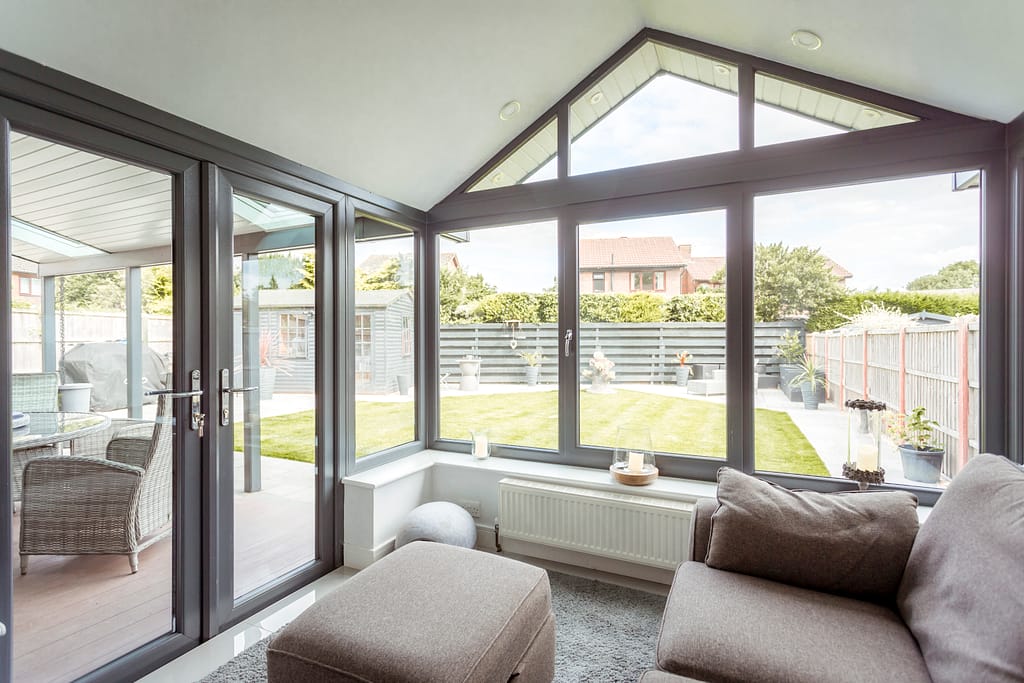
3m x 3m Gable Conservatory
A gable conservatory offers impressive visual impact thanks to its elevated front elevation and striking roof design. Supply-only prices may start at around £11,340, while fully fitted installations commonly range from £14,000 to £20,000.
The additional roof detailing and larger glass panels increase both manufacturing and installation costs. However, many homeowners see this as a worthwhile investment for the extra character and natural light a gable design provides. Celestial manufactures conservatories locally in Middlesbrough, giving customers greater control over quality and design throughout the project.
Small Orangery Costs
For homeowners seeking a more substantial extension, a small orangery represents a premium option. Supply-only prices often start from £16,724, while fully fitted projects frequently exceed £20,000, depending on the materials and specification chosen.
Orangeries typically include more brickwork, insulated roof elements, and high-end internal finishes. They can create a seamless transition between the home and garden while offering excellent year-round comfort. Celestial’s experienced team can advise on whether a conservatory or orangery provides the best long-term value for a particular property and lifestyle.
Conservatory Costs Per Square Metre
As a broad guide:
- Fully fitted uPVC lean-to conservatories often cost around £1,200 to £1,500 per square metre
- Premium aluminium conservatories generally sit above this range
- Hardwood conservatories and orangeries can exceed £2,000 per square metre, particularly when bespoke features are included
A typical 3m x 3m uPVC conservatory costs around £14,500 fully fitted, including VAT, although the final price depends on the roof type, glazing, foundations, and internal specification.
Exclusions and Hidden Costs to Watch Out For
When comparing fully fitted conservatory prices, it is important to look beyond the headline figure. Some low quotes and supply-only packages exclude essential work, which can significantly increase the final project cost.
One common omission is the demolition and removal of an existing conservatory. If an old structure needs to be dismantled and disposed of, this may be charged as an additional service rather than being included in the original quotation.
Structural alterations can also affect the budget. Knocking through external walls, installing steel supports, or creating a more open-plan layout often requires extra labour, engineering input, and Building Regulations approval.
Other costs to watch out for include:
- Upgrading to higher-spec glazing or self-cleaning glass
- Choosing solid, tiled, or warm roof systems
- Bespoke colours, finishes, and decorative features
- Planning permission or Building Control fees that are not included
- Difficult site access or challenging ground conditions
- Additional drainage or groundwork requirements
It is also worth checking what level of warranty and aftercare is provided. A reputable installer should offer clear guarantees on both the products and the workmanship, along with ongoing support if issues arise after completion.
At Celestial Windows, quotations are tailored to the individual project, helping homeowners understand exactly what is included from the outset and reducing the risk of unexpected costs later in the build.
Frequently Asked Questions About Fully Fitted Conservatory Prices
How long does it take to install a fully fitted conservatory?
A fully fitted conservatory usually takes three to six weeks to complete, although the exact timescale depends on the size of the project and the level of work involved.
Groundworks and foundations are often the first stage and can take several days on their own. Once the base has cured, the frame, roof, glazing, and doors can be installed relatively quickly. Internal finishes such as electrics, plastering, flooring, and decorating may add extra time.
Weather conditions, material lead times, and any planning or Building Control requirements can also influence the overall programme. A reputable installer should provide a clear schedule before work begins so you know what to expect at each stage.
Does a conservatory add value to your home?
Yes, a well-designed conservatory can add value to a property, particularly when it creates practical living space that can be used throughout the year.
Buyers are generally attracted to homes that offer flexible areas for dining, working, or relaxing. Modern conservatories with energy-efficient glazing and insulated roofs often feel like a natural extension of the house, which can make them more appealing than older structures that suffer from temperature extremes.
What is the lifespan of a modern conservatory?
A modern conservatory can last 25 to 40 years or more if it is built with quality materials and maintained correctly.
Different elements have different expected lifespans:
- uPVC frames often last 25–35 years
- Aluminium systems can exceed 40 years
- Double-glazed units typically perform well for 20–30 years
- Roof systems may require refurbishment or replacement depending on the material used
Regular maintenance plays an important role. Cleaning gutters, checking seals, and addressing minor repairs early can help extend the life of the entire structure and keep it performing efficiently for decades.
Can you use a conservatory all year round?
Yes, many modern conservatories are designed for year-round use, provided they include suitable insulation, glazing, heating, and ventilation.
Older conservatories often became uncomfortably hot in summer and cold in winter because they relied on basic glazing and minimal insulation. Today’s systems are very different. Features such as Low-E glass, solar-control coatings, insulated floors, and warm roof systems help regulate temperatures throughout the year.
The intended use of the room also matters. A conservatory that serves as a home office or family room may require a higher specification than one used occasionally during warmer months. Good design from the outset is the key to creating a comfortable space in every season.
What is the difference between a conservatory and an orangery?
The biggest difference between a conservatory and an orangery is the balance between glazed areas and solid construction.
A traditional conservatory typically includes large expanses of glass and a predominantly glazed roof. This creates a bright, open connection to the garden and often comes with a lower upfront cost.
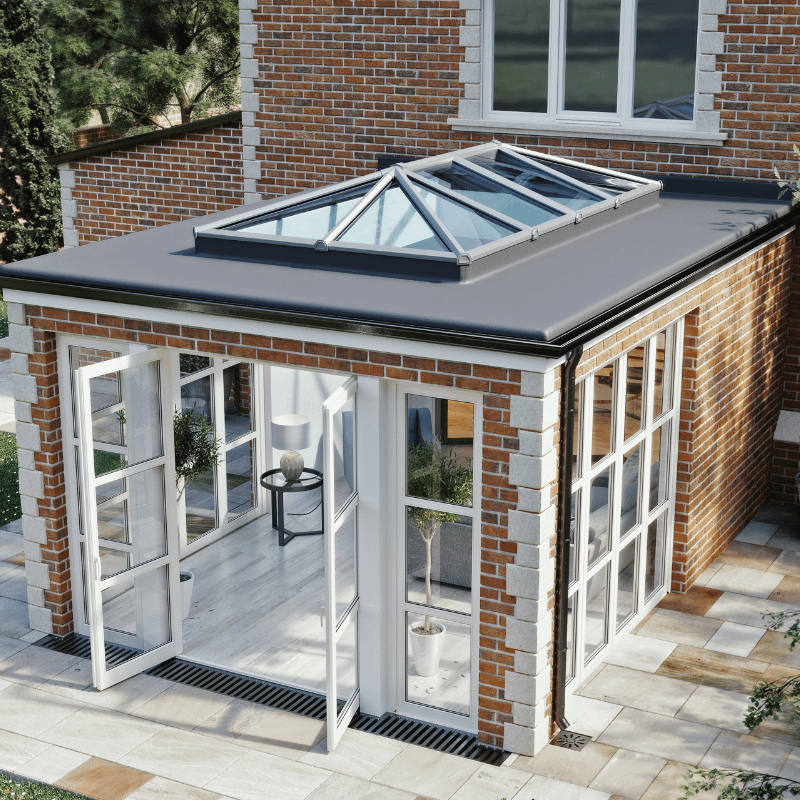
An orangery usually incorporates more brickwork and a solid perimeter roof with a central roof lantern. This can provide:
- Greater privacy
- Improved thermal performance
- More wall space for furniture
- A stronger extension-like feel
Neither option is automatically better. The right choice depends on your budget, the style of your home, and how you want to use the additional living space.
Is finance available for a fully fitted conservatory?
Yes, many homeowners choose to finance a fully fitted conservatory rather than paying the entire cost upfront.
Finance options vary between installers, but they commonly include interest-free periods, fixed monthly repayments, and longer-term agreements for larger projects. This can make higher-specification features, such as insulated roofs or premium glazing, more accessible without compromising on quality.
Before agreeing to any finance package, it is worth understanding the total amount repayable, any deposit requirements, and whether early repayments are permitted. A transparent installer should explain all available options clearly, allowing you to choose a solution that fits comfortably within your household budget.
Why Choose Celestial Windows for Your Conservatory?
For decades, Celestial Windows has been helping homeowners across Middlesbrough, Teesside, and the North East create bespoke conservatories that are built to last. Our local knowledge, in-house expertise, and commitment to quality ensure every project is designed around the property and the people who live there.
As a FENSA-registered installer, we work to the highest professional standards and provide insurance-backed guarantees for additional peace of mind. Every conservatory is designed to comply with relevant UK Building Regulations, with quality and long-term performance at the heart of the process.
We offer a wide range of options, including:
- Traditional and contemporary conservatory styles
- High-performance, energy-efficient glazing
- Premium uPVC and aluminium systems
- Glass, tiled, and warm roof solutions
- Advanced Icotherm roof systems for improved year-round comfort
Our team can also assist with planning applications and Building Control requirements where they are needed, helping to make the entire process as straightforward and stress-free as possible.
From the initial survey through to the final installation, everything is tailored to your home, your budget, and the way you want to use the space. Whether you’re in Middlesbrough, Stockton, Redcar, or the wider Teesside area, you don’t need to have every detail decided before getting in touch.
Take a look at our previous projects for inspiration, or speak to the team for a personalised quotation. We’ll help you design a conservatory that adds value, comfort, and extra living space for many years to come.