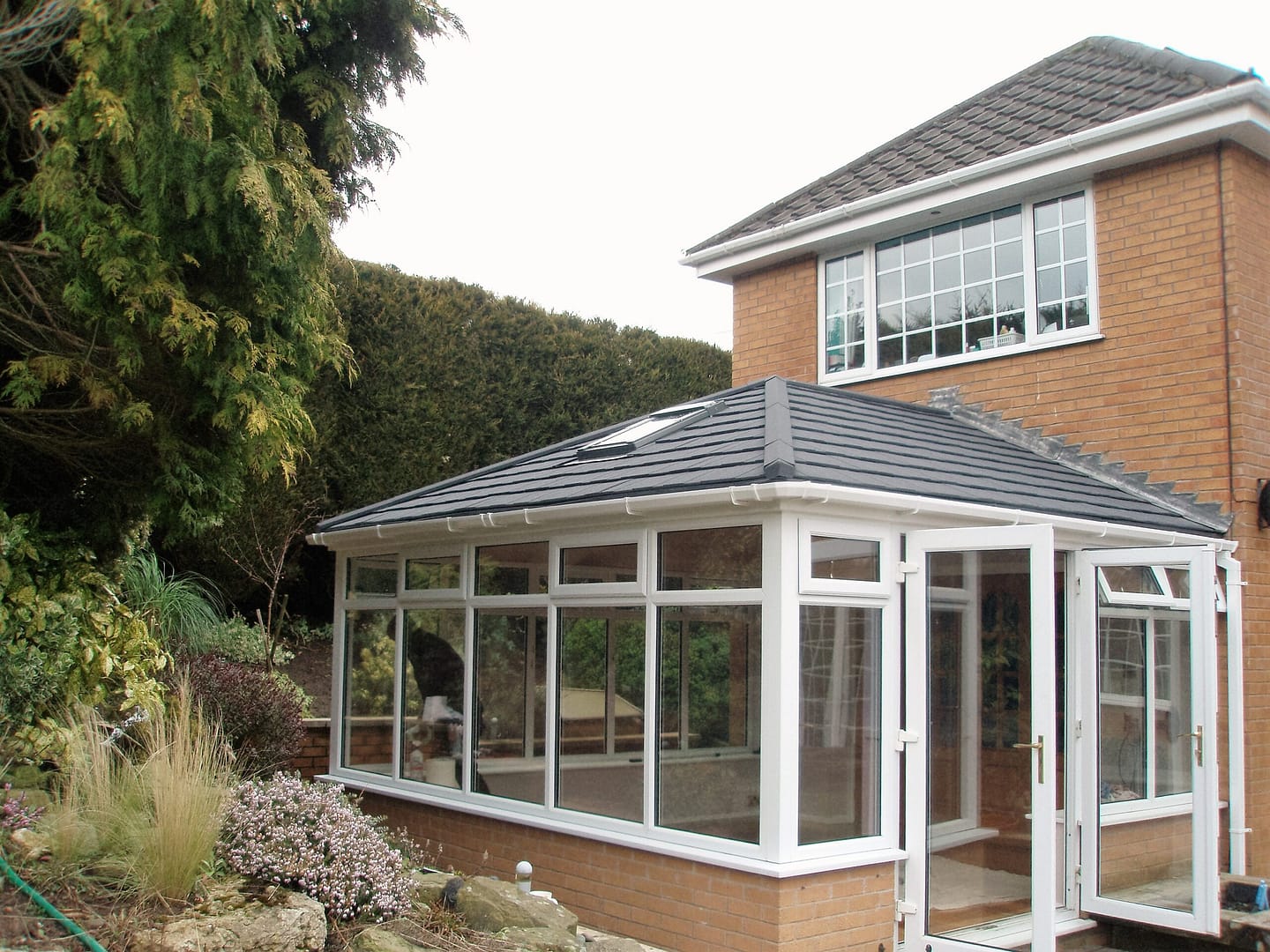

A solid conservatory roof replaces a traditional glass or polycarbonate roof with an insulated structure that is designed to provide better thermal performance and more consistent temperatures throughout the year. Many homeowners choose this option when their conservatory is too cold in winter, too hot in summer, or noisy during heavy rain.
Older polycarbonate roofs are often the biggest source of these problems. While glass conservatory roofs offer better natural light and insulation, some older systems can still struggle to maintain comfortable temperatures all year round. A solid or tiled roof aims to create a more room-like environment by combining insulation, internal plastered ceilings, and lightweight construction methods.
Homeowners typically consider a solid roof because it can help with:
- Heat loss during colder months
- Overheating in summer
- Noise from rain and wind
- Condensation and temperature fluctuations
- Making the conservatory more usable throughout the year
In this guide, we’ll explore the costs, benefits, and different options available, including modern warm roof systems such as Icotherm. At Celestial Windows, we install Icotherm warm roofs for homeowners across Middlesbrough and Teesside, helping create comfortable, energy-efficient conservatories that can be enjoyed in every season.
Benefits of a Solid Conservatory Roof
Many homeowners choose a solid conservatory roof because it can transform a conservatory from a seasonal space into a room that feels comfortable throughout the year. While every property is different, modern insulated roof systems offer several advantages over older glass and polycarbonate designs.
Improved Thermal Efficiency
One of the biggest benefits of a solid roof is improved energy efficiency. High-performance insulation helps reduce heat loss during winter while limiting solar gain in the summer months.
This can create a more consistent indoor temperature and reduce the need for additional heating or cooling. Many homeowners find that their conservatory becomes a much more practical space for everyday use, whether that’s a dining room, home office, or family room.
Systems such as Icotherm warm roofs use multiple layers of insulation and lightweight construction to deliver strong thermal performance without placing unnecessary loads on the existing structure.
Reduced Glare and Noise
Traditional glass and polycarbonate roofs can create significant glare on bright days and amplify the sound of heavy rain or strong winds.
A solid roof helps minimise these issues by providing:
- Better acoustic insulation
- Reduced glare from direct sunlight
- A calmer, quieter environment
- Improved comfort when watching television or working from home
For many homeowners, the reduction in noise alone makes a noticeable difference to how often the room is used.
A More Natural, Extension-Like Feel
A solid conservatory roof can help the space feel more like a permanent part of the home rather than a separate garden room.
Modern designs often include:
- Plastered internal ceilings
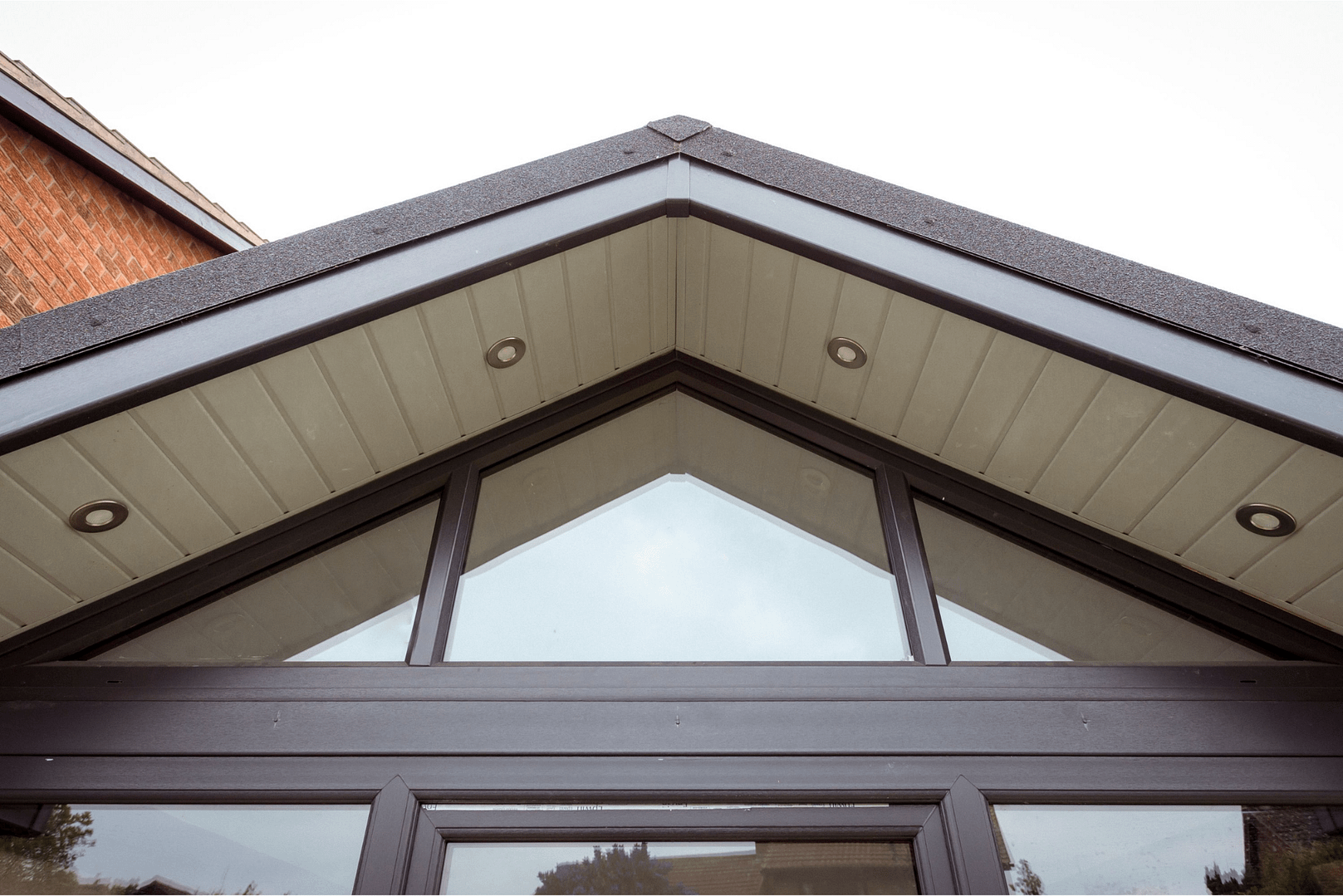
- Integrated LED downlights
- Rooflights or glazed panels
- Decorative cornices and finishing details
These features create a more traditional interior appearance while still allowing natural light into the room. The result is a conservatory that feels closer to a conventional extension without the scale of a full rebuild.
Increased Longevity and Low Maintenance
Solid and tiled roof systems are designed to provide long-term durability with minimal maintenance requirements. Depending on the materials used and ongoing care, many tiled roofs can last 50 years or more.
Unlike older polycarbonate systems, they are less prone to discolouration, weathering, and performance issues over time. Regular inspections and basic maintenance are usually all that is required to keep the roof in good condition.
Enhanced Property Value
A comfortable, usable conservatory can make a property more attractive to future buyers. While no improvement guarantees a specific increase in value, an all-season living space is often viewed more positively than a conservatory that is difficult to use during extreme weather.
Potential benefits include:
- Greater year-round usability
- Improved kerb appeal
- Better energy efficiency
- A more premium, extension-like appearance
For homeowners who already have a structurally sound conservatory, upgrading to a solid roof can be an effective way to improve comfort, aesthetics, and long-term enjoyment without replacing the entire structure.
Solid Roof Options: Tiled, Warm and Hybrid Systems
Modern solid conservatory roofs come in several different styles, allowing homeowners to balance insulation, natural light, aesthetics, and budget. The right option depends on how you use the space and the specification you want to achieve.
Tiled Conservatory Roofs
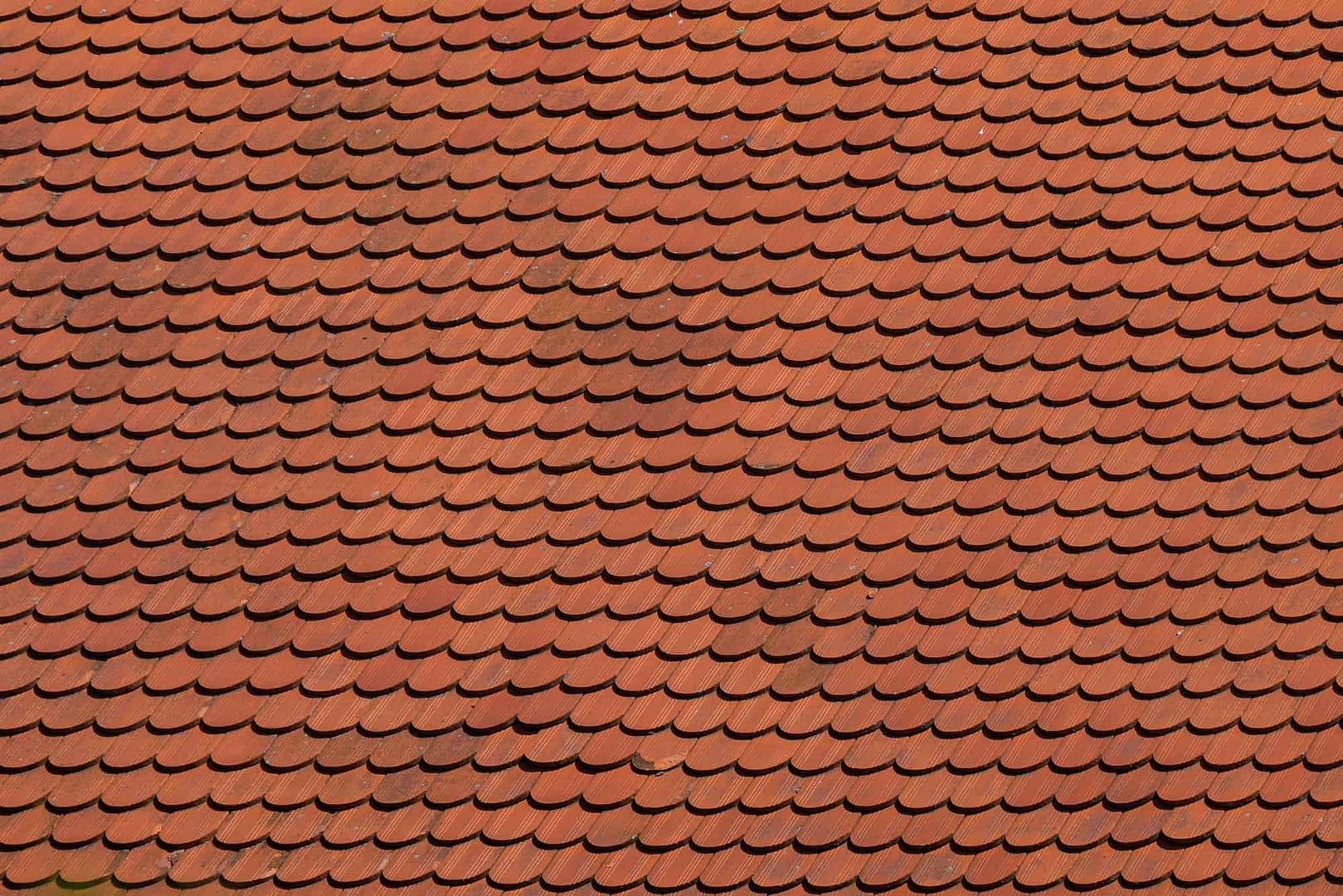
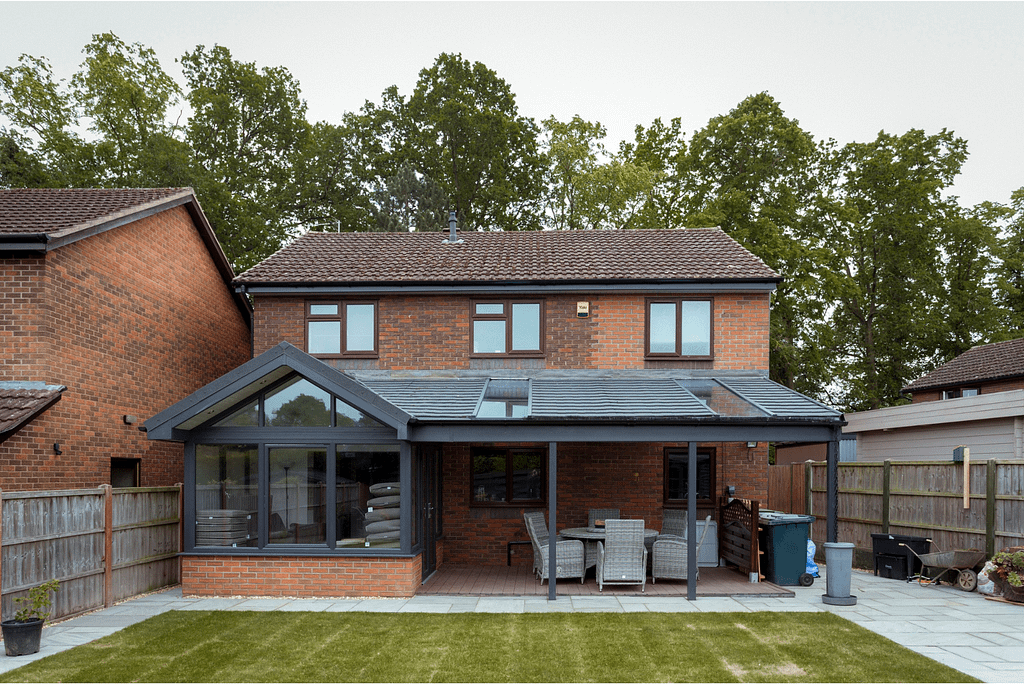
A tiled conservatory roof is one of the most popular upgrade options for older conservatories. These systems use lightweight tiles that are designed to work with existing conservatory frames and foundations, subject to a structural survey.
Well-known systems include:
- SupaLite
- Tapco
- Britmet
Lightweight roof tiles are available in a range of colours and finishes, making it easier to match the appearance of the main house. This can help the conservatory feel more integrated with the property rather than looking like a separate addition.
Tiled roofs are particularly popular with homeowners who want a traditional, extension-like appearance and improved year-round comfort.
Warm Roof Systems
A warm roof system combines lightweight construction with high-performance insulation to create a more comfortable living environment throughout the year.
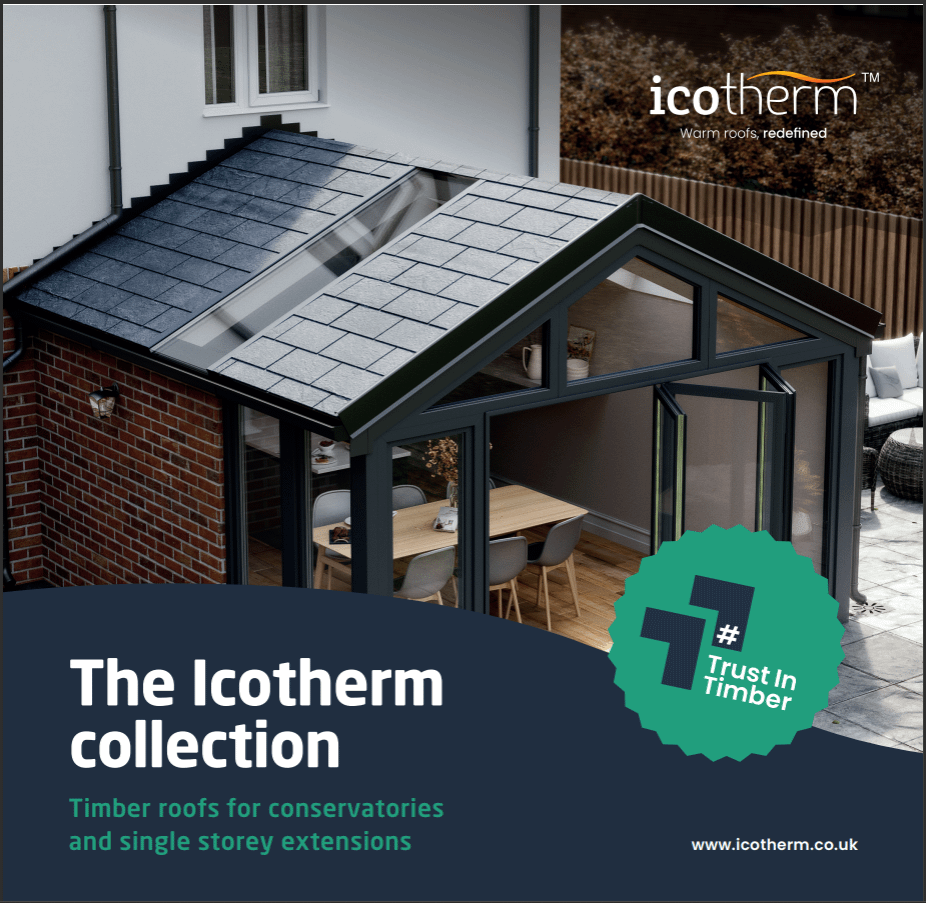
At Celestial Windows, we install Icotherm warm roofs, which use a timber-based structure, breathable membranes, and multiple layers of insulation to deliver excellent thermal performance. The roof components are manufactured off-site for precise installation and a consistent finish.
Key features of warm roof systems include:
- High-performance insulation
- Breathable construction methods
- Internal plasterboard and plaster finishes
- Lightweight structural design
- Improved temperature regulation
For many homeowners, a warm roof provides a practical alternative to a traditional extension while retaining the footprint of the existing conservatory.
Hybrid Roof Systems
A hybrid conservatory roof combines solid insulated sections with glazed panels or rooflights. This approach allows homeowners to benefit from improved insulation while maintaining plenty of natural daylight.
Hybrid designs may include:
- Large rooflights
- Glazed ridge sections
- Roof lanterns
- Feature glass panels
These systems can work particularly well in north-facing gardens or properties where maximising natural light is a priority.
Internal Ceiling and Lighting Options
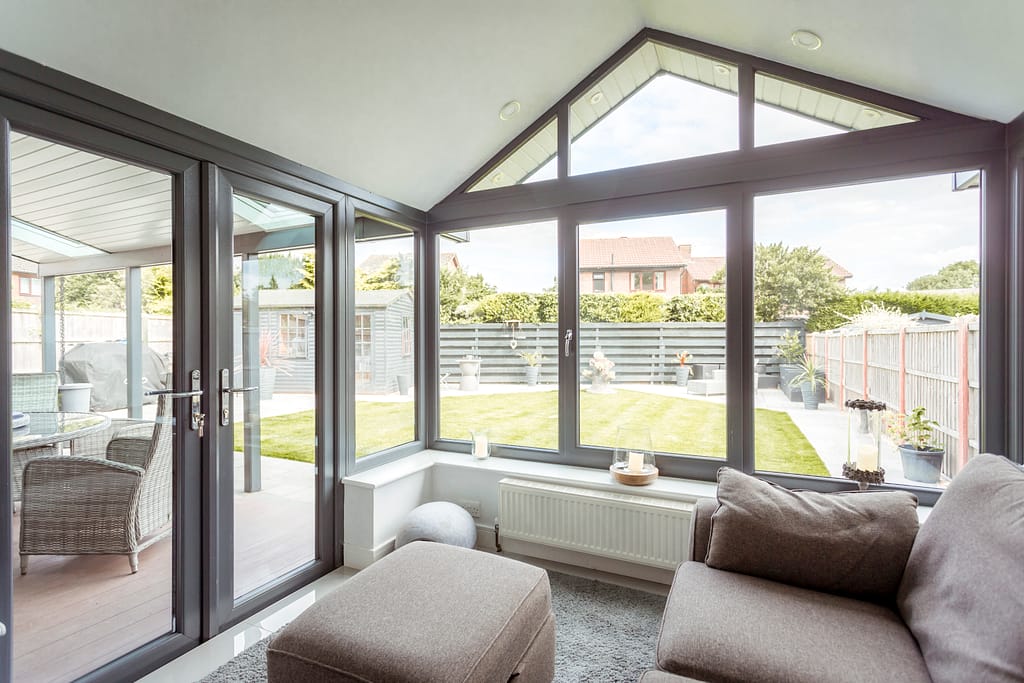
One of the advantages of a solid roof conversion is the flexibility of the internal finish. Homeowners can create a space that feels much more like a conventional room within the home.
Popular options include:
- Vaulted ceilings for a spacious feel
- Flat ceilings for a more traditional appearance
- Integrated LED downlights
- Spotlights and feature lighting
- Roof lanterns or roof windows to bring in additional daylight
These finishing touches can have a significant impact on both the look and usability of the conservatory.
Choosing the Right Frame Material
The existing conservatory frames also play an important role in the overall design and budget.
Common frame materials include:
uPVC
The most popular choice for many homeowners. It offers excellent value, low maintenance requirements, and strong thermal performance.
Aluminium
A premium option that provides slimmer sightlines and a contemporary appearance. Aluminium frames are durable but generally come with a higher upfront cost.
Timber
Traditional timber conservatories offer distinctive character and charm, although they require more maintenance than modern uPVC or aluminium systems.
The most suitable roof system will always depend on the condition of the existing conservatory, the intended use of the room, and the style of the property. A professional survey can help determine which combination of roof, glazing, and frame materials offers the best long-term solution.
Cost Comparison: Solid vs Glass vs Polycarbonate Roofs
The cost of replacing a conservatory roof depends on the material you choose, the size of the roof, the insulation specification, and the level of internal finishing required. While polycarbonate remains the cheapest option, many homeowners now choose glass or solid roofs for improved comfort and year-round usability.
The figures below are indicative only and should be checked before publication or used as the basis for a quotation.
Typical Roof Replacement Costs for a 4m x 4m Conservatory
| Roof Type | Typical Cost | Key Characteristics |
| Polycarbonate Roof | Around £4,000 | Lightweight, budget-friendly, basic insulation |
| Glass Roof | Around £5,000 | Better thermal performance, excellent natural light |
| Tiled Solid Roof | £4,000–£6,000+ | Insulated structure, plastered ceiling, extension-like feel |
The final cost will vary depending on:
- The size and shape of the conservatory
- The quality of insulation used
- Internal plastering and lighting requirements
- Rooflights or glazed panels
- Access and scaffolding requirements
- The condition of the existing structure
Typical Roof Costs by Conservatory Size
Small 3m x 3m conservatory, homeowners can generally expect:
- Polycarbonate roofs: £3,200–£4,000
- Glass roofs: £4,000–£6,000
- Solid or tiled roofs: £5,000–£7,000
Medium 4m x 4m conservatory:
- Polycarbonate roofs: £4,000–£5,200
- Glass roofs: £5,000–£8,000
- Solid or tiled roofs: £5,000–£8,000+
Large 5m x 5m conservatory:
- Polycarbonate roofs: £5,000–£5,200+
- Glass roofs: £6,000–£8,000+
- Solid or tiled roofs: £7,000–£10,000+
Although a solid conservatory roof often requires a higher initial investment, many homeowners consider the improved insulation and increased year-round comfort worthwhile. Better thermal performance may also help reduce heating costs over time, particularly when replacing older polycarbonate systems.
Before making a decision, it is always sensible to obtain several quotations and compare what is included. The cheapest option is not necessarily the best long-term value if it compromises comfort, energy efficiency, or durability.
Planning Permission and Building Regulations
When replacing a conservatory roof, it is important to understand the difference between planning permission and Building Regulations, as they are two separate requirements.
Replacing an existing glass or polycarbonate roof with a similar like-for-like system may not require Building Control involvement in many cases. However, converting a conservatory to a solid or tiled roof often requires greater consideration because the change can alter the thermal performance and structural characteristics of the space.
Building Regulations
A solid roof conversion will usually need to comply with Building Regulations to ensure:
- The existing structure can safely support the new roof
- Insulation levels meet current standards
- Adequate ventilation is provided
- Electrical work is properly certified
- The finished conservatory remains safe and energy efficient
Professional installers will normally work with Building Control departments to obtain the necessary approvals and completion documentation where required.
Planning Permission
Planning permission is often not required if the conservatory footprint, overall size, and external appearance remain broadly unchanged. However, additional checks may be needed if:
- The roof height is increased significantly
- The roof pitch changes the appearance of the property
- The home is a listed building
- The property sits within a conservation area
- Permitted development rights have been removed
Every property is different, so it is always sensible to verify the position before work begins.
Frequently Asked Questions
Do I need planning permission to replace my conservatory roof with a solid roof?
Not always, but you may need to comply with Building Regulations when replacing a glass or polycarbonate roof with a solid, insulated system. Planning permission is often unnecessary if the conservatory footprint and overall height remain unchanged, although listed buildings, conservation areas, and properties with restricted permitted development rights may require additional checks.
Because every property is different, it is sensible to speak with your local authority or an experienced installer before work begins. Professional companies will normally advise on any approvals needed and liaise with Building Control where appropriate.
How long does it take to install a solid conservatory roof?
A solid conservatory roof installation typically takes three to five days once the roof system and materials are ready. More complex projects, or those involving structural alterations and additional internal finishes, may take longer.
The process usually includes:
- Removing the existing roof.
- Preparing the existing structure.
- Installing the new roof system.
- Adding insulation and internal finishes.
- Completing plastering, lighting, or decoration.
Off-site manufactured systems, such as modern warm roofs, can help reduce installation times and minimise disruption to the household.
Will a solid roof make my conservatory dark?
No, a solid roof does not have to make your conservatory dark. Many modern systems include rooflights, glazed panels, or lanterns to retain natural daylight while still improving insulation and comfort.
Hybrid roof designs are particularly popular because they combine insulated sections with strategically placed glazing. This allows homeowners to enjoy the benefits of a warm, energy-efficient room without losing the bright, open feel that makes conservatories attractive in the first place.
The amount of natural light you need should be considered as part of the design process rather than as an afterthought.
How much does a solid conservatory roof cost?
A solid conservatory roof replacement generally costs between £5,000 and £10,000 or more, depending on the size of the conservatory, the roof system chosen, and the level of internal finishing required.
Several factors influence the final price, including:
- The roof area and shape
- Insulation specification
- Rooflights or glazed sections
- Internal plastering and lighting
- Structural reinforcement, where required
Although solid roofs often cost more than polycarbonate alternatives, many homeowners see them as a long-term investment because of the improved comfort, reduced maintenance, and better thermal performance they can provide.
Read more about how much a full conservatory costs in our guide.
Will a solid roof add value to my home?
A solid conservatory roof can add value to a property if it makes the space more comfortable, attractive, and usable throughout the year. Buyers generally prefer rooms that feel like a genuine part of the home rather than areas that are too hot in summer or too cold in winter.
Improved insulation, reduced noise, and a more extension-like appearance can all contribute to the appeal of the property. While no home improvement guarantees a specific increase in value, upgrading an ageing conservatory roof may help make the home more marketable and enjoyable for future owners.
What is the lifespan of a solid conservatory roof?
A quality solid conservatory roof can last several decades, with many lightweight tile systems carrying warranties of 40 years or more from the manufacturer.
The lifespan depends on:
- The materials used
- The quality of the installation
- Ongoing maintenance
- Exposure to weather conditions
Modern warm roof systems are designed for durability and typically require very little upkeep beyond routine inspections and gutter cleaning. Choosing an experienced installer and a reputable roof system helps maximise the long-term performance of the investment.
Can you put a solid roof on any conservatory?
No, not every conservatory is suitable for a solid roof conversion without further work. The existing foundations, frames, and support structures must be capable of handling the new roof system, even when lightweight materials are used.
A professional survey will normally assess:
- The condition of the existing frames
- Any signs of movement or deterioration
- The span and shape of the roof
- Whether structural strengthening is required
In some cases, repairing or replacing other parts of the conservatory may be a better long-term option than a roof conversion alone.
Are solid conservatory roofs better than glass roofs?
Solid conservatory roofs and glass roofs each have their advantages, so the better option depends on your priorities.
Solid roofs generally provide:
- Better insulation
- Reduced glare
- Lower noise levels during rain
- A more extension-like appearance
Glass roofs, on the other hand, offer:
- Maximum natural light
- Open views of the sky
- A lighter, more traditional conservatory feel
Homeowners who want year-round comfort often prefer solid or hybrid systems, while those who value brightness above all else may still favour high-performance glass roofs with solar-control coatings.
Choosing the Right Solid Roof for Your Conservatory
Choosing the right solid conservatory roof involves more than simply selecting a style you like. The existing structure, your budget, and how you want to use the room all play an important role in finding the most suitable solution.
Check the Existing Structure First
Before any roof replacement is considered, the conservatory should be professionally assessed to confirm that the frames, foundations, and support systems are suitable for the proposed upgrade.
Lightweight warm roof systems are designed to minimise structural loads, but not every conservatory can support every type of roof without additional work. A detailed survey helps identify any reinforcement that may be needed before installation begins.
Match the Roof to Your Home
Many homeowners want their conservatory to feel like a natural extension of the property. Choosing roof tiles and finishes that complement the existing house can make a significant difference to the overall appearance.
You may wish to consider:
- Tile colours that match the main roof
- Flat or vaulted internal ceilings
- Plastered finishes with integrated downlights
- Decorative cornices and trims
- Rooflights or glazed panels to maximise daylight
These details help create a space that feels comfortable and cohesive rather than separate from the rest of the home.
Balance Budget and Performance
Warm roof systems generally involve a higher upfront investment than basic glazed roofs, but they often deliver stronger thermal performance and greater year-round comfort.
For many homeowners, the decision comes down to long-term value rather than the lowest initial cost. Better insulation can improve usability, reduce temperature extremes, and create a more versatile living space for the future.
Consider Rooflights and Natural Light
One concern with solid roofs is the potential loss of daylight. Fortunately, modern systems can incorporate:
- Rooflights
- Glazed ridge sections
- Roof lanterns
- Hybrid roof designs
These features allow natural light to enter the room while retaining many of the insulation benefits associated with a solid roof conversion.
Check Warranties and Guarantees
A quality roof system should be supported by clear product and installation guarantees. For example, Icotherm warm roofs include a 10-year guarantee, while some lightweight roof tile systems offer warranties of up to 40 years, subject to the manufacturer’s terms and conditions.
Understanding what is covered provides additional peace of mind and helps protect your investment over the long term.
Seek Professional Advice
At Celestial Windows, every conservatory is assessed individually before recommendations are made. Our team considers the existing structure, your budget, the desired appearance, and how you plan to use the room throughout the year.
Whether you’re interested in a fully insulated Icotherm warm roof, additional rooflights, or a traditional tiled finish, we can provide a tailored proposal based on your property and requirements. This ensures you choose a solution that delivers the right balance of performance, aesthetics, and value for your home.