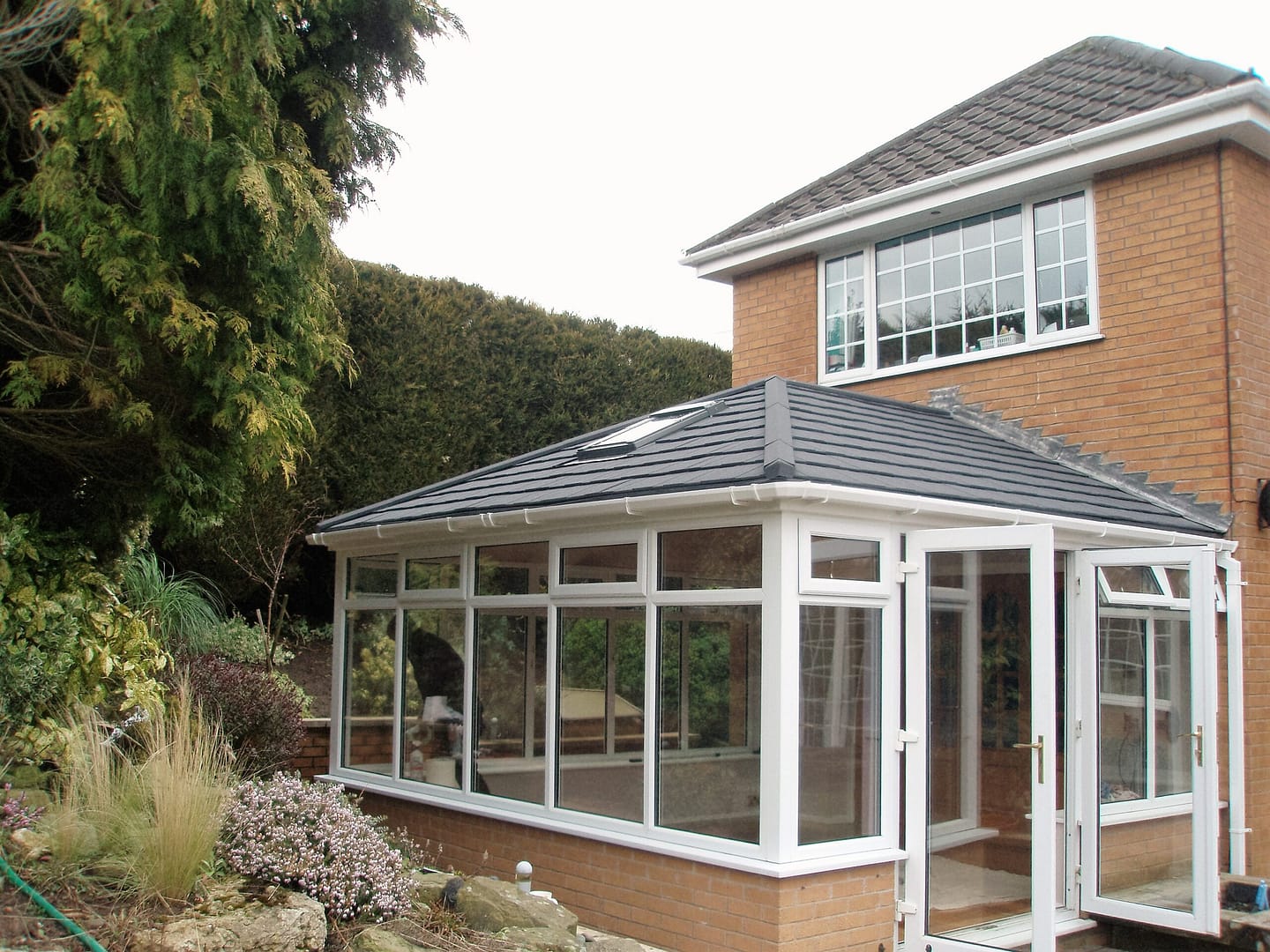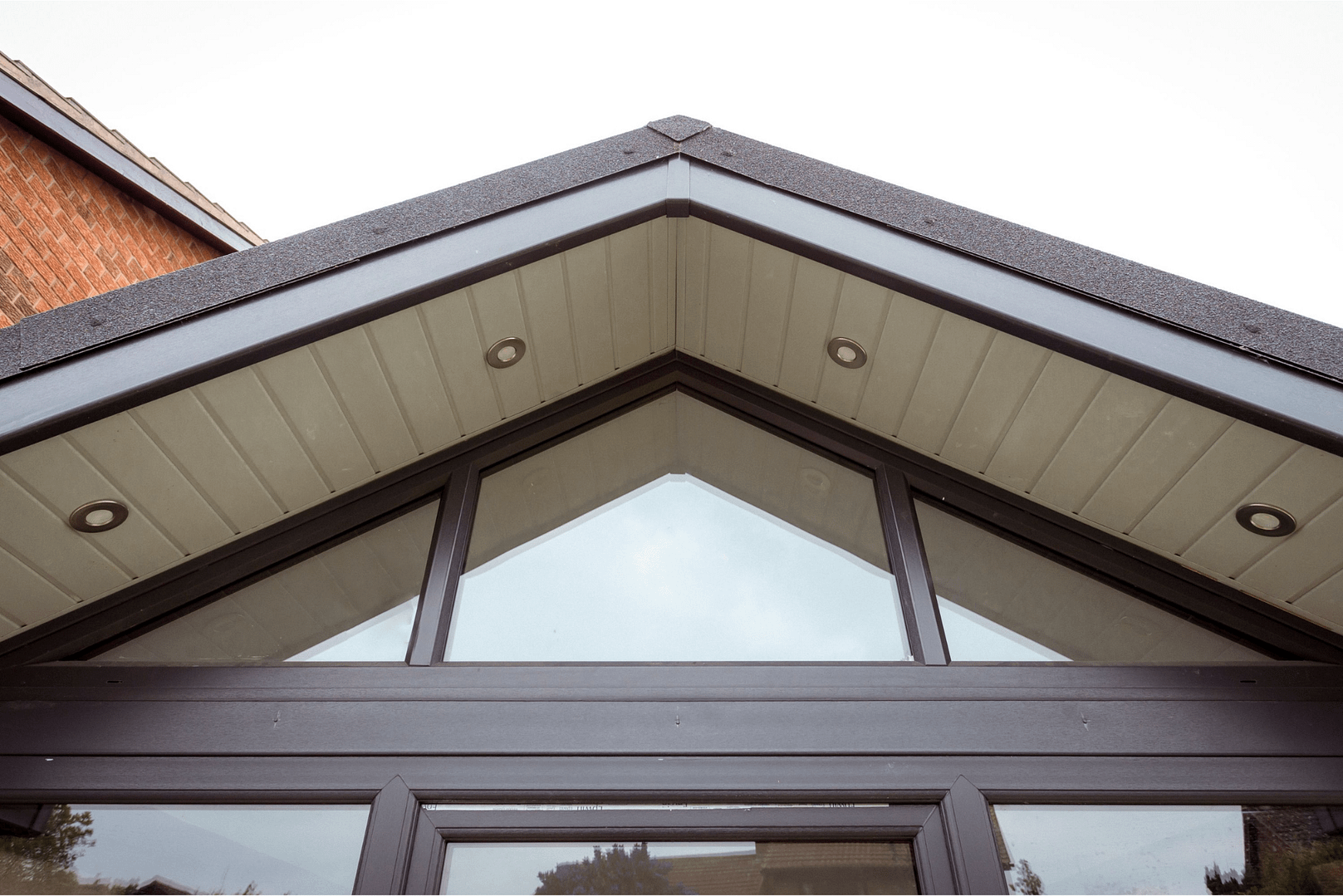

A conservatory becomes too hot in summer when sunlight passes through the roof and glazing, then heat builds up faster than it can escape. South-facing conservatories, large glazed areas, poor ventilation, and older roof materials can all make the problem worse.
It’s very common for homeowners to experience their conservatory overheating during Summer particularly in older conservatories that were not designed with modern energy efficiency standards in mind.
The most common reasons a conservatory gets too hot in summer include:
- Too much solar gain through large areas of glass and the conservatory roof
- South-facing or west-facing orientations that receive direct sunlight for much of the day
- Older polycarbonate or inefficient glass roofs that offer little protection from heat build-up
- Poor ventilation, with limited windows, roof vents, or airflow pathways
- A lack of external shading, such as awnings, blinds, or nearby trees
- Outdated double glazing that does not reflect solar heat effectively
- Warm air becoming trapped at roof level with no efficient way to escape
The good news is that some of these problems can be improved with quick, low-cost fixes. Our experts cover DIY fixes in this guide, and will tell you when it’s time to upgrade for a more permanent, long-term fix.
Why Does a Conservatory Get So Hot?
A conservatory gets hot because sunlight passes through the glazing and warms the surfaces inside. That heat then builds up faster than it can escape, making the room feel increasingly uncomfortable as the day goes on.
This process is known as solar gain.
Solar gain is the heat that enters a room through windows, doors, and roof glazing when sunlight passes through them.
Once sunlight enters the conservatory, it is absorbed by floors, furniture, walls, and other surfaces. These surfaces release heat into the room, but the glazing prevents much of that warmth from escaping quickly. The result is a greenhouse effect that traps hot air inside.
Several factors can make the problem worse:
- Large glazed areas allow more sunlight into the room
- Conservatory roofs often receive the strongest and most direct sunlight
- Poor ventilation stops warm air from escaping efficiently
- South- and west-facing conservatories receive sunlight for longer periods during the day
- Dark flooring, furniture, and décor absorb and retain more heat than lighter colours
Older conservatories are particularly vulnerable. Many were built with polycarbonate roofs or older double glazing that offer limited protection against solar heat gain. Modern glazing systems are designed to reflect more of the sun’s energy, helping to keep internal temperatures more comfortable.
Understanding why your conservatory overheats is important because the best solution depends on the underlying cause. In some cases, better ventilation or shading may solve the problem. In others, upgrading the roof or glazing could provide a much bigger improvement.
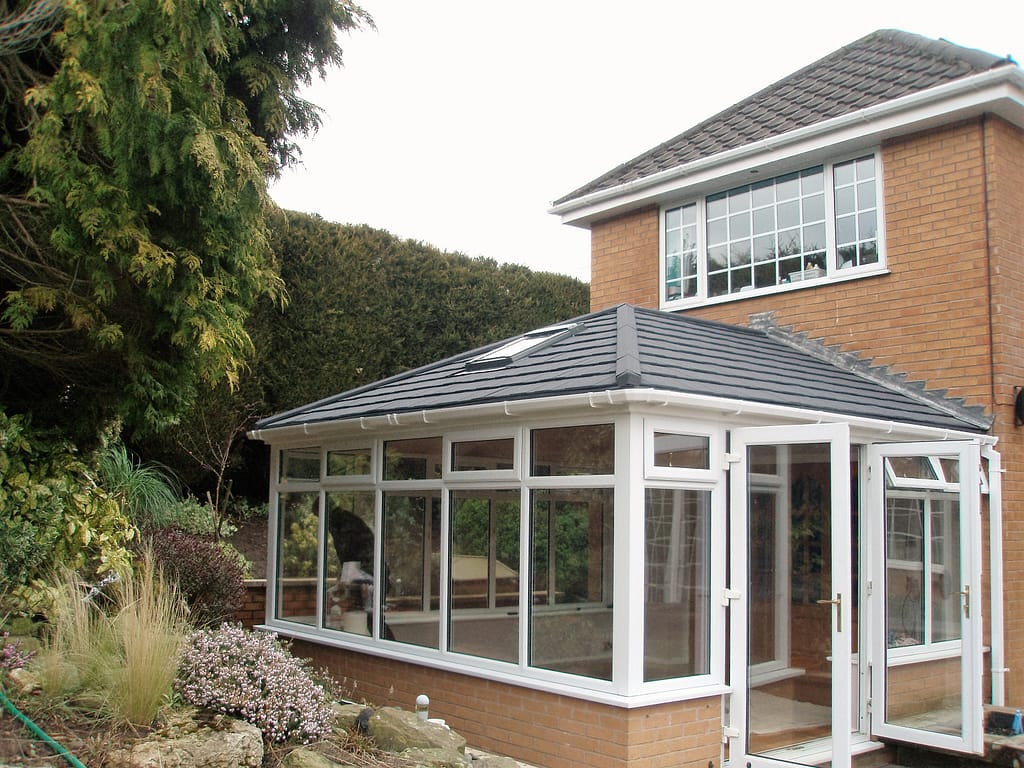
How to Tell What Is Making Your Conservatory Too Hot
Before investing in blinds, ventilation systems, or a new roof, it helps to identify what is actually causing the heat build-up. Different problems require different solutions, and understanding the source can save both time and money.
Here are some simple ways to diagnose the issue.
The Roof Feels Like the Main Heat Source
If the space directly beneath your roof feels noticeably hotter, the roof itself could be the problem. This is common with:
- Older polycarbonate roofs
- First-generation glass roofing systems
- Limited roof shading
- Poor thermal performance
Because the roof receives the most direct sunlight, it often has the biggest impact on summer temperatures.
The Room Is Hottest in the Afternoon
A conservatory that becomes uncomfortable later in the day is often west-facing. This means it receives strong afternoon and evening sun when outdoor temperatures are already high.
The issue may be caused by:
- West-facing orientation
- Low afternoon sun entering through side glazing
- Limited trees, awnings, or external shade
Opening Doors Makes a Big Difference
If opening your doors or windows cools the room quickly, poor ventilation is likely to be a major factor.
This may indicate:
- Limited opening roof vents
- Poor air movement
- A lack of cross-ventilation between different sides of the room
The Room Stays Hot After Sunset
Some conservatories remain warm long after the sun has gone down. This usually means heat is being stored inside the space rather than escaping naturally.
Possible causes include:
- Heat retained in floors and furnishings
- Dark surfaces that absorb more solar energy
- Limited ventilation during the evening
Glare Is as Much of a Problem as Heat
If you struggle with bright sunlight, screen glare, or fading furniture, large areas of unshaded glass could be the issue.
Solutions may include:
- Internal blinds
- Solar-control window films
- Modern solar-control glazing
- External shading systems
The most effective solution depends on whether the main problem is the roof, side glazing, orientation, external shade, or ventilation. Once you understand the cause, you can choose improvements that genuinely make your conservatory more comfortable throughout the summer.
Quick Ways to Cool Your Conservatory In Summer
There are several simple changes you can make to cool down a hot conservatory. While these solutions may not fix severe overheating, they can make the space more comfortable during warm weather and help reduce heat build-up throughout the day.
How can I cool down a hot conservatory?
- Open windows and doors on opposite sides to create natural airflow through the room.
- Use portable or ceiling fans to circulate air and make the space feel cooler.
- Close blinds before peak sunlight hours to stop direct heat entering the conservatory.
- Choose light-coloured furniture and soft furnishings, which absorb less heat than darker materials.
- Turn off unnecessary appliances that generate additional warmth during hot weather.
- Add temporary external shade, such as awnings, parasols, or shade sails.
- Ventilate the room early in the morning and later in the evening when outside temperatures are lower.
- Keep internal doors closed if the rest of your house remains cooler than the conservatory.
- Use portable air conditioning during extreme heat if appropriate, although running costs should be considered.
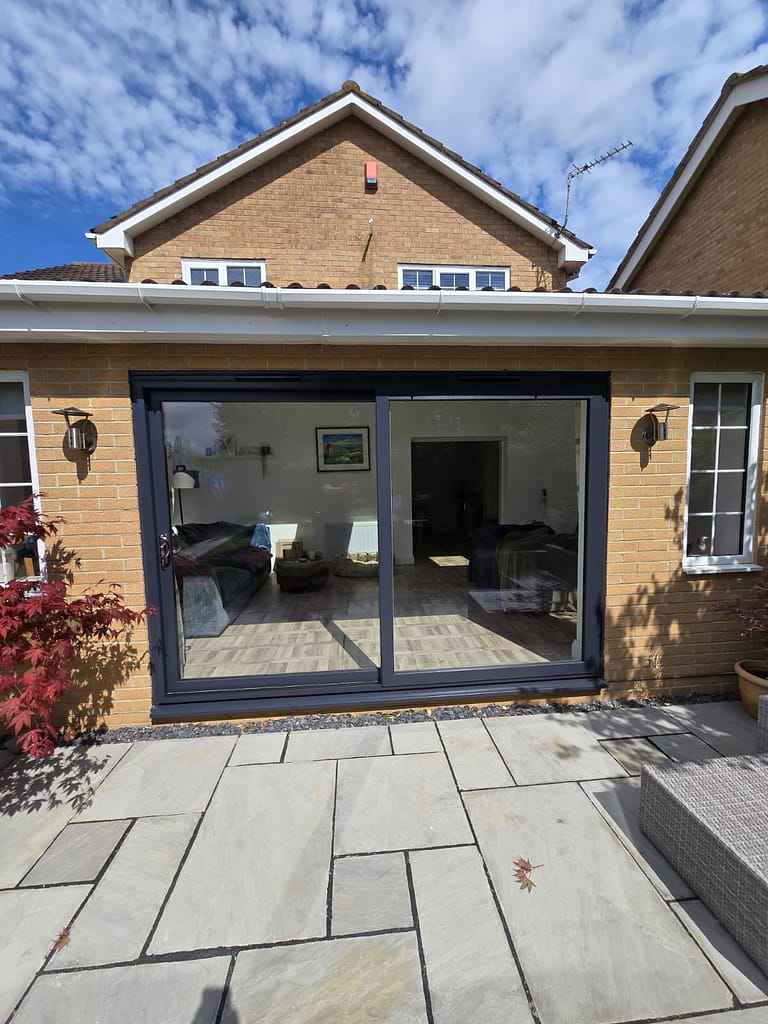
These measures can often make a noticeable difference, particularly during short periods of hot weather. Creating cross-ventilation is usually one of the most effective and affordable solutions, as it allows hot air to escape rather than becoming trapped inside.
However, if your conservatory overheats every summer, quick fixes may only provide temporary relief. Persistent problems are often linked to the:
- Roof
- Glazing
- Orientation
- Ventilation design.
In these situations, longer-term improvements can deliver much better results and help you enjoy the room throughout the year. We can help you assess the problem, and provide the best, long-term solution. Speak to our team today.
Do Conservatory Blinds Help Keep Heat Out?
Yes, conservatory blinds can help keep some heat out, but they work best as part of a wider cooling strategy rather than a complete solution.
Internal blinds reduce glare and limit direct sunlight entering the room. Roof blinds can be particularly useful because the conservatory roof usually receives the strongest sun throughout the day. Closing blinds before the room heats up is far more effective than waiting until the temperature has already risen.
Light-coloured or reflective fabrics often perform better because they absorb less heat. External blinds and awnings can be even more effective, as they block sunlight before it reaches the glass.
That said, internal blinds do not stop all solar heat gain and may reduce natural daylight. Fitted conservatory blinds can also cost more than standard window coverings. For many homeowners, they work best alongside good ventilation, shading, and energy-efficient glazing.
Does Conservatory Window Film Work?
Yes, solar-control window film can help reduce heat and glare in a conservatory, although the results depend on the type of film and your existing glazing.
These films work by reflecting or absorbing some of the sun’s energy before it enters the room. This can make the space more comfortable during warm weather and help reduce glare on televisions, laptops, and other screens.
However, not all window films perform in the same way. Some products may slightly alter the appearance of the glass or reduce the amount of natural light entering the conservatory. It is also important to check that the film is compatible with your existing double glazing, as certain products can affect sealed units or invalidate manufacturer warranties.
Professional installation is usually recommended to avoid bubbling, peeling, or visual imperfections. Window film can be a useful mid-cost improvement, but it should be considered alongside ventilation, shading, and other cooling measures.
How Ventilation Can Reduce Conservatory Heat
Good ventilation plays an important role in keeping a conservatory comfortable during summer. Warm air naturally rises, so creating pathways for that hot air to escape can help reduce heat build-up.
Roof vents are particularly effective because they allow the warmest air to leave the room. At the same time, opening lower windows or doors lets cooler air enter, creating a natural flow through the space. This process, known as cross-ventilation, works best when openings are positioned on opposite sides of the conservatory.
Trickle vents can also provide background airflow throughout the day. While they are unlikely to solve severe overheating on their own, they help prevent warm air from becoming trapped.
Fans are another useful option. They improve air movement and make the room feel cooler, although they do not actually lower the temperature.
It is worth remembering that ventilation has its limits. During still, extremely hot weather, even well-ventilated conservatories can become uncomfortable. Secure ventilation options are also important if windows need to be left open while the property is unattended.
Overall, good airflow helps remove trapped heat, but it cannot completely offset intense solar gain from large areas of glazing.
Would Better Glazing Make a Difference?
In many cases, upgrading your conservatory glazing can help reduce overheating, particularly if the existing glass is old or no longer performing efficiently.
Older double glazing often provides limited protection against solar heat gain. If sealed units have failed, their thermal performance may be reduced even further. Modern glazing options, including solar-control glass, are designed to reflect some of the sun’s energy while still allowing plenty of natural light into the room.
Low-emissivity, or Low-E, coatings can also improve comfort throughout the year. They help reduce heat entering during summer while retaining warmth during winter, making the conservatory more usable in every season.
It is important to remember that roof glazing and side glazing may require different specifications. The roof typically receives the most direct sunlight, so upgrading roof glass can sometimes have the greatest impact.
Replacing the glass also allows homeowners to keep the bright, open feel of a traditional conservatory, unlike some solid roof conversions. However, glazing alone may not solve issues caused by poor ventilation, a south-facing orientation, or a lack of external shade.
At Celestial Windows, energy-efficient glazing is often recommended as one potential improvement, but the whole conservatory should always be assessed before choosing the right solution.
Is a Solid or Tiled Roof Better for a Hot Conservatory?
A solid or tiled conservatory roof can help reduce overheating, but it is not always the right solution for every home. The benefits depend on the existing structure, the quality of the current roof, and what is causing the heat build-up in the first place.
Traditional glass and polycarbonate roofs allow large amounts of sunlight to enter from above. A solid or tiled roof reduces this direct solar gain, which may help create a cooler, more comfortable space during summer.
Additional insulation can also improve performance throughout the year. Many homeowners find that an insulated roof makes the conservatory feel more like a natural extension of the house rather than a separate room that’s too hot in summer and too cold in winter.
However, there are some trade-offs to consider.
The biggest is natural light. Replacing a fully glazed roof with a solid system will reduce the amount of daylight entering from above. To overcome this, many modern systems include rooflights or glazed panels that help retain brightness while still improving insulation.
Products such as SupaLite tiled roof systems and Icotherm insulated warm roof systems are examples of longer-term upgrades that may improve year-round comfort where suitable. The right option will depend on the size, design, and structural condition of the existing conservatory.
It is also important to remember that a new roof is only one part of the equation. Glazing, ventilation, doors, external shading, and room orientation still play a significant role in summer temperatures. A roof replacement alone may not solve every issue.
Structural suitability must always be checked, and Building Regulations may apply depending on the proposed changes. Because of this, any roof upgrade should be subject to a professional survey.
If you’re having persistent overheating problems, a solid or tiled roof can be a worthwhile long-term investment, but it is generally a much larger commitment than options such as blinds, window film, or improved ventilation.
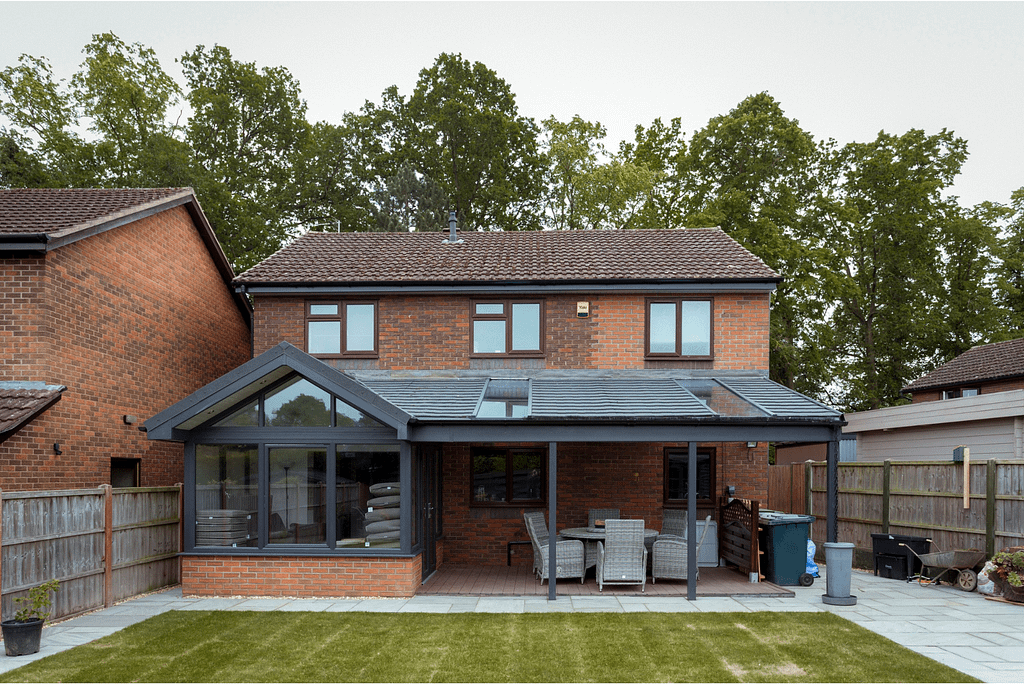
Which Cooling Solution Is Right for Your Conservatory?
There is no single solution that works for every conservatory. The best option depends on what is causing the heat build-up in the first place. A room with poor ventilation may need a very different approach to one with an ageing polycarbonate roof or large areas of south-facing glazing.
The cheapest option is not always the most effective, and investing in the right improvement can save money and frustration in the long run.
| Solution | Cost Level | Likely Impact | Temporary or Permanent | Effect on Daylight | Best Suited To |
| Fans | Low | Improves air movement | Temporary | None | Short periods of hot weather |
| Internal blinds | Low to Medium | Reduces glare and some heat | Semi-permanent | Reduces light | Conservatories with strong direct sun |
| External shading | Medium | Blocks sunlight before it reaches the glass | Semi-permanent | Some reduction | South- or west-facing rooms |
| Window film | Medium | Reduces glare and solar gain | Permanent | May reduce light | Large glazed areas |
| Ventilation upgrades | Medium | Helps trapped heat escape | Permanent | None | Conservatories with poor airflow |
| Solar-control glazing | Medium to High | Reduces incoming heat | Permanent | Retains natural light | Older glazing systems |
| Solid or tiled roofs | High | Reduces overhead solar gain | Permanent | Reduces roof light | Persistent year-round overheating |
For example, if opening doors immediately cools the room, improving ventilation could be the answer. If the roof feels like the main source of heat, better glazing or a roof replacement may have a greater impact.
Matching the solution to the underlying cause will almost always deliver better results than choosing the lowest-cost option alone.
When Is Roof Replacement Worth Considering?
A conservatory roof replacement can be a worthwhile investment, but it is usually best suited to homeowners with ongoing, year-round comfort issues rather than occasional hot spells.
It may be worth considering if:
- Your conservatory overheats every summer
- The room is also too cold to use during winter
- The existing roof is ageing or showing signs of deterioration
- Polycarbonate panels have become discoloured, brittle, or damaged
- You are experiencing leaks or persistent draughts
- Blinds, fans, and other quick fixes have made little difference
- You want to use the room more regularly throughout the year
- You would prefer a more room-like internal finish
- The existing frames and base are still in good condition
That said, a roof replacement is not always the right answer.
It may not be appropriate where:
- The main issue is poor ventilation rather than heat gain
- The existing roof is still performing well
- External shading could solve the problem more cost-effectively
- The conservatory frames or foundations also require major work
- Retaining maximum overhead natural light is a priority
Conservatory Cooling Solutions in Middlesbrough and Teesside
Every conservatory is different, which means the right cooling solution depends on what is actually causing the problem. At Celestial Windows, we help homeowners across Middlesbrough, Stockton-on-Tees, Redcar, Billingham, and the wider Teesside area understand why their conservatory is overheating before recommending any improvements.
Our team assesses the factors that have the biggest impact on summer comfort, including:
- The type and condition of the existing roof
- The performance of the current glazing
- Ventilation and airflow throughout the space
- The conservatory’s orientation and exposure to direct sunlight
- The availability of external shade
In some cases, simple changes such as better ventilation, blinds, or solar-control glazing may make a noticeable difference. In others, longer-term upgrades like SupaLite tiled roof systems or Icotherm insulated warm roofs may be worth exploring, where suitable and subject to survey.
The most important thing is that homeowners do not need to know which solution they need before getting in touch. An honest assessment of the conservatory will usually identify the most effective and cost-efficient approach.
Key Takeaways
- Conservatories overheat when solar gain exceeds the room’s ability to release heat
- The roof, glazing, ventilation, orientation, and shading all influence summer temperatures
- Quick fixes such as fans and blinds can help during hot spells
- Solar-control glazing and ventilation upgrades offer longer-term improvements
- Solid or tiled roofs may be suitable for persistent year-round comfort problems
- The best solution depends on the underlying cause, not just the symptoms
- A professional assessment can help identify the right approach for your home
If your conservatory is too hot to enjoy during summer, we can help you understand the cause and discuss the options available, without pushing a one-size-fits-all solution.