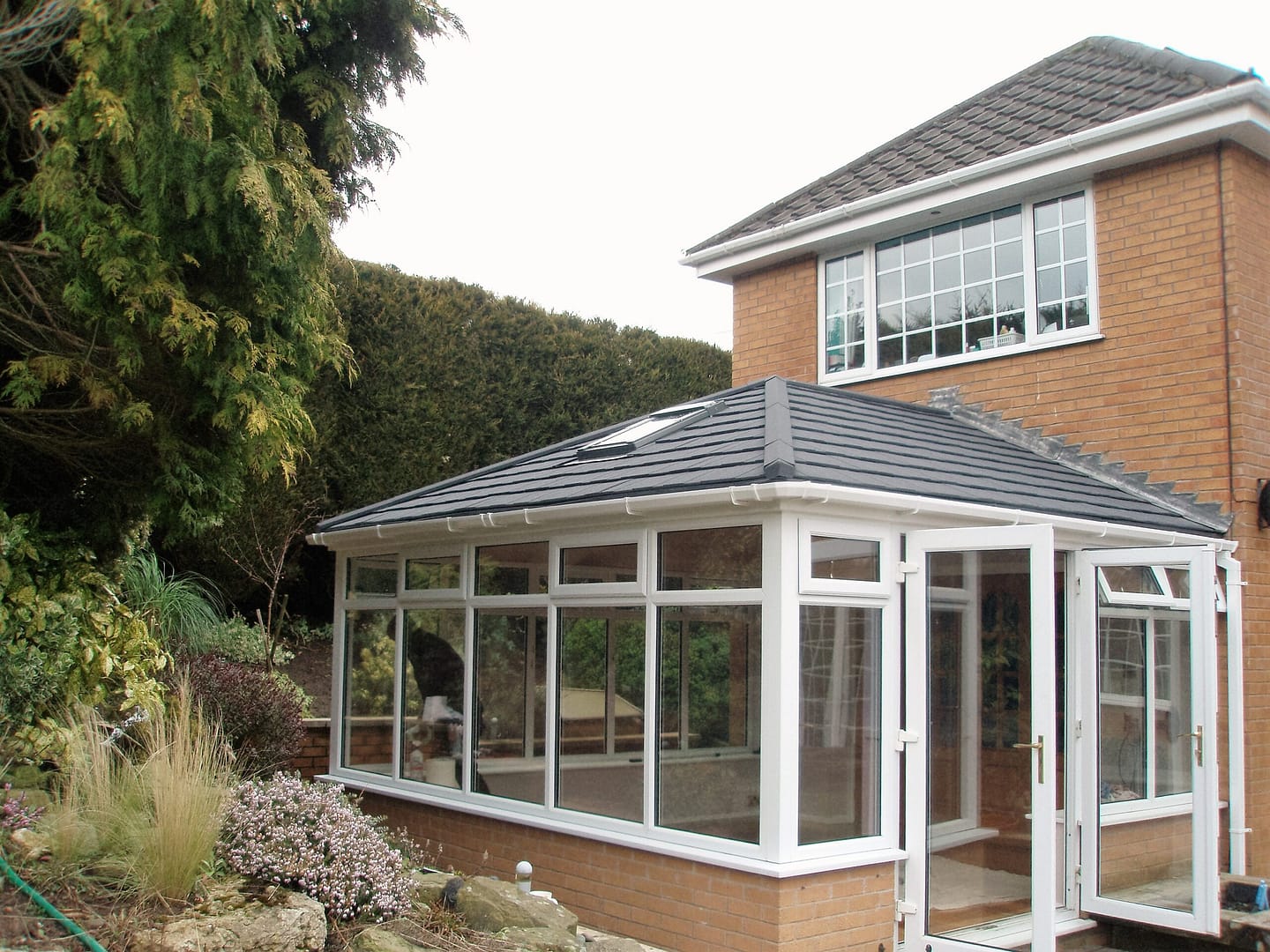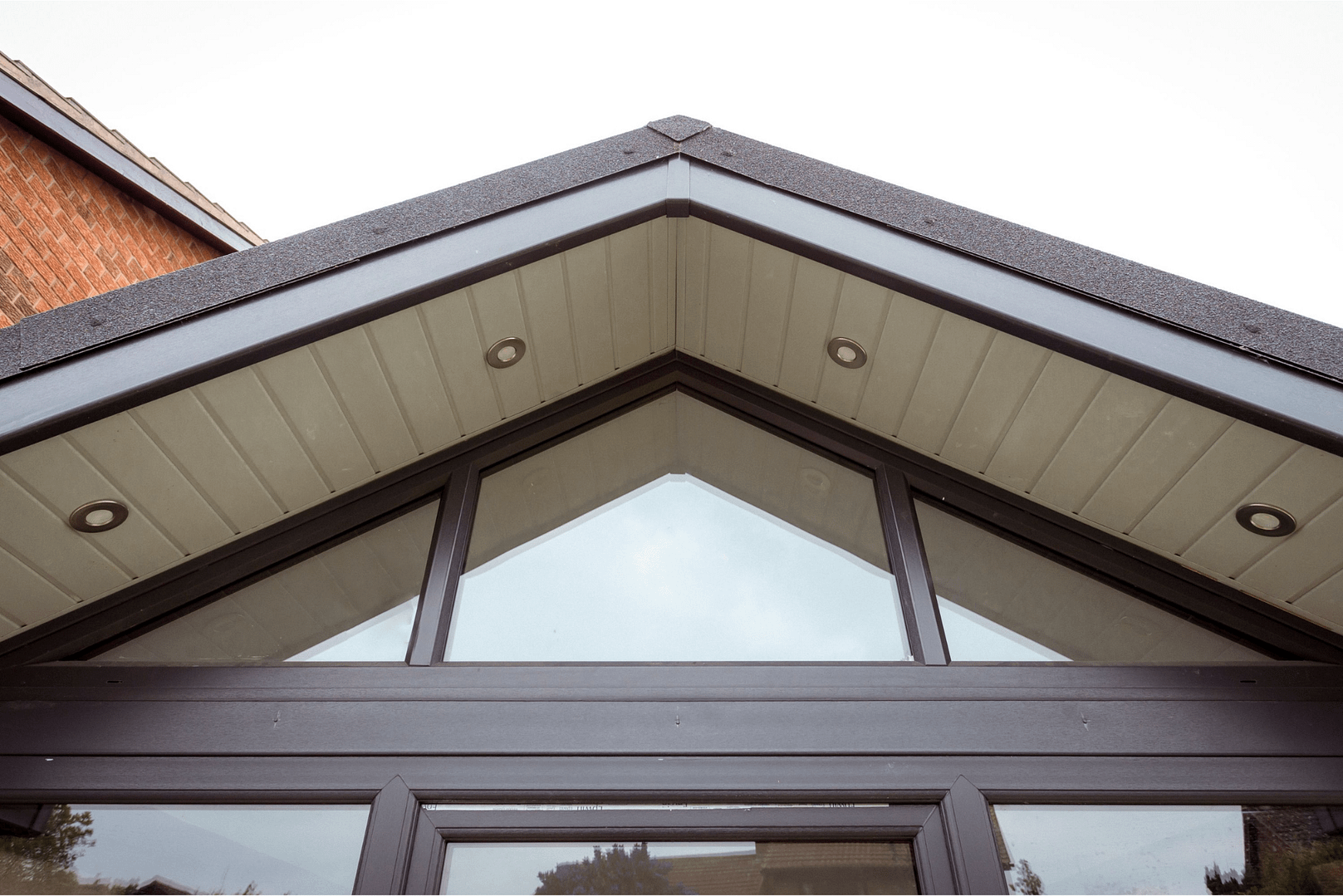

A conservatory extension gives you the opportunity to make an existing conservatory bigger, warmer or better connected to the rest of your home. Rather than starting again, you can upgrade the space you already have and turn it into a room that works better for everyday life.
For example, you might want to create a larger open-plan kitchen and dining area, add more floor space or simply make an older conservatory more comfortable throughout the year.
Depending on your existing conservatory and what you want to achieve, the project could include:
- Extending the existing footprint
- Adding solid walls or insulated pillars
- Installing a modern warm roof
- Upgrading older windows and glazing
- Creating a more open connection with the adjoining room
- Updating heating, lighting and flooring
This makes a conservatory extension different from simply installing a new standard conservatory. You’re adapting and improving an existing space around the way you want to use your home.
It’s also different from building a traditional brick extension. A full extension generally involves more masonry and substantial building work, while a conservatory extension can retain more glazing and the bright, garden-facing character of the original room.
At Celestial Windows, we can look at your existing conservatory, discuss what isn’t working for you and explore what could realistically be changed.
In this guide, we’ll break down typical conservatory extension costs, what affects your final price and the planning and Building Regulations requirements you may need to consider.
Average Costs for Conservatory Extensions by Style
The cost of a conservatory extension can range from around £9,000 to £19,500 for many common styles, depending on the size of the project and how much of the existing structure can be retained. If you’re still comparing your options, our guide to conservatory costs in the UK provides a wider breakdown of prices for different styles, sizes and specifications.
As a starting point, you could expect to budget around:
| Conservatory extension style | Estimated cost |
| Lean-to extension | £9,000–£14,250 |
| Edwardian extension | £10,500–£18,000 |
| P-shape extension | £14,000–£19,500 |
These figures are useful for setting an initial budget, but every conservatory is different. Before recommending an approach, the Celestial team can assess your existing structure and look at what can realistically be reused, upgraded or extended.
If you’re thinking about converting a conservatory into a more substantial extension, costs can range from around £5,000 to £25,000. A simpler conversion may sit towards the lower end if the existing foundations are suitable. Projects requiring significant structural alterations or new foundations will naturally cost more.
How you plan to use the finished room matters too. Turning your conservatory into an open-plan kitchen or living space can introduce additional costs for plumbing, electrics and structural reinforcement.
It’s therefore worth looking beyond the basic extension price when setting your budget. You may also need to allow for:
- Insulation and glazing upgrades
- New or reinforced foundations
- Heating and electrical work
- Structural alterations
- Building Control fees
- Internal flooring and finishing
Getting these requirements clear early makes it much easier to understand the true cost of extending your conservatory and avoid unexpected expenses later. Our guide to fully fitted conservatory prices also explains what you should expect to be included in a complete installation.
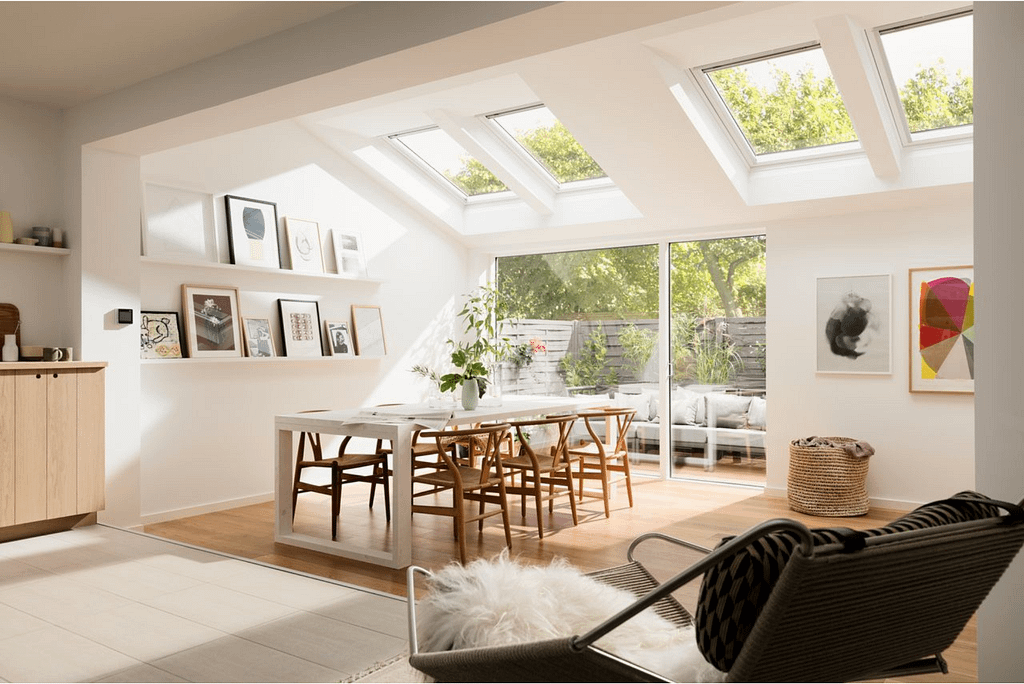
Key Factors Influencing Conservatory Extension Costs
The size, materials and amount of structural work required will have the biggest influence on your conservatory extension cost. Two extensions of a similar size can have very different prices depending on what needs to change and how you want the finished room to look and feel.
Some of the main factors include:
Size and design
A larger footprint means more materials and labour. The roof shape matters too. A straightforward lean-to extension will generally be simpler than extending a P-shaped conservatory or creating a bespoke open-plan design.
Materials
Your choice of uPVC, aluminium or timber frames will affect the price. You’ll also need to consider the amount of glazing, brickwork, insulated pillars and whether you want a glass, hybrid or solid roof.
Structural work
This can make a significant difference to your budget. Your existing foundations may need strengthening or replacing. If you’re opening the conservatory into your home, removing an external wall can also require structural support, such as a steel beam.
Insulation, heating and ventilation
Upgraded glazing, roof and wall insulation can help create a more comfortable year-round room. If the existing roof is part of the problem, an Icotherm warm roof system can be one option to consider when upgrading the space. You may also want underfloor heating, additional radiators or improved ventilation.
Interior finish
Plastering, flooring, lighting and electrical work all add to the final price. Creating a new kitchen or including extensive fitted furniture will increase costs further.
Labour and site access can affect the quote too. At Celestial Windows, we can assess your existing conservatory and property in Middlesbrough, Teesside or the wider North East before recommending what’s realistically required. This gives you a much clearer picture of the work involved before your project begins.
Planning Permission and Building Regulations for Conservatory Extensions
You may not need planning permission to extend a conservatory if the work falls within permitted development rights, but this depends on your property and the proposed design. In England, conservatories are generally subject to the same planning rules as other house extensions.
If you’re unsure whether your proposed project is likely to qualify, our guide to planning permission for conservatories explains permitted development rules, size and height restrictions, and circumstances where additional approval may be needed.
For example, extensions and other buildings must not cover more than 50% of the land around the original house. There are also restrictions covering height, position, boundaries and how far an extension can project from the property. Previous extensions can count towards these limits too.
Building Regulations are separate from planning permission. If you’re creating an open-plan conservatory extension by removing the external doors, windows or part of the original external wall, Building Regulations approval will normally be required. Any new structural opening between the conservatory and house also requires approval.
Building Control may consider areas including:
- Structural stability and supporting beams
- Insulation and energy efficiency
- Ventilation
- Windows and doors
- Electrics and drainage
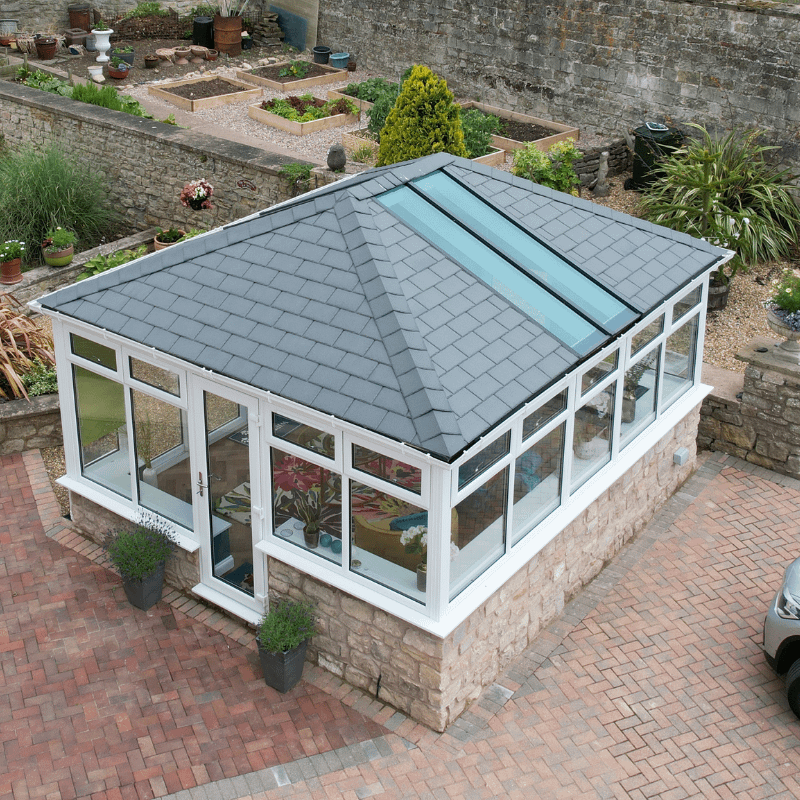
Conservatory Extension vs Full Extension: Pros, Cons and Costs
A conservatory extension will usually cost less and take less time to complete than a full home extension, particularly if your existing conservatory and foundations are suitable for upgrading.
Extending or improving your conservatory allows you to retain more of the existing structure. You could add insulated walls, improve the glazing or replace an older glass or polycarbonate roof with a modern warm roof. This can help create a room that feels much more connected to your home without automatically moving to a full brick extension.
A traditional extension generally costs more because there is usually more structural work, brickwork and insulation involved. However, it can offer greater flexibility if you want the new room to feel completely integrated with your existing living space.
Your existing structure can ultimately influence which option makes financial sense. If foundations need replacing or extensive structural work is required, the cost advantage of extending your conservatory may become smaller.
At Celestial, we can assess what you already have before recommending an approach. In some cases, upgrading the roof, walls and glazing can deliver the comfortable, year-round space you’re looking for without the cost of starting again.
Planning Your Budget and Next Steps
When budgeting for a conservatory extension, consider the complete project rather than focusing solely on the initial build price. Structural work, heating, electrics and internal finishes can all affect what you eventually spend.
Start by deciding what you want the finished room to achieve. A simple upgrade will have very different requirements from creating a large open-plan kitchen or living space.
When comparing quotes, check what’s actually included. Look at:
- Structural and foundation work
- Roof, frame and glazing specifications
- Insulation
- Heating, electrics and other utilities
- Plastering, flooring and finishing
- Guarantees and warranties
If your budget doesn’t stretch to everything at once, a phased upgrade may also be worth considering. For example, you might replace an inefficient conservatory roof first before carrying out more extensive alterations later.
It’s also worth thinking beyond the upfront cost. Better insulation, glazing and roofing can reduce heat loss and help make the space more comfortable to use throughout the year.
If you’re unsure whether to extend, upgrade or replace your existing conservatory, Celestial can assess your current space and talk through the options that make sense for your property and budget.
Frequently Asked Questions About Conservatory Extensions
Can You Make an Existing Conservatory Bigger?
Yes, an existing conservatory can often be made bigger, provided the current structure, foundations and available space are suitable. This could involve extending one side, increasing the projection into the garden or redesigning the existing conservatory as part of a larger new structure.
Before deciding what’s possible, the existing conservatory needs to be assessed. Important considerations include:
- The condition and depth of the foundations
- The existing frame and roof structure
- Available garden space
- Drainage and nearby services
- How the enlarged room will connect with your home
Sometimes retaining and extending the existing structure makes sense. In other cases, replacing more of the original conservatory may provide greater design flexibility. Celestial can assess what’s already there before discussing which approach is suitable for your property.
Is It Worth Extending an Old Conservatory?
Extending an old conservatory can be worthwhile if the existing structure is in good condition and suitable for upgrading. However, if the frames, foundations, glazing and roof all need significant work, replacement may offer better long-term value.
Age alone shouldn’t determine your decision. The condition and specification of the existing conservatory matter more.
For example, an older conservatory could potentially be transformed with modern glazing, improved insulation and a new roof. If you’re already facing extensive structural repairs alongside those improvements, it may make more sense to consider a larger replacement.
A proper assessment is therefore important before committing your budget. At Celestial, we can look at which parts of your existing conservatory are worth retaining and whether extension, refurbishment or replacement is the most practical route.
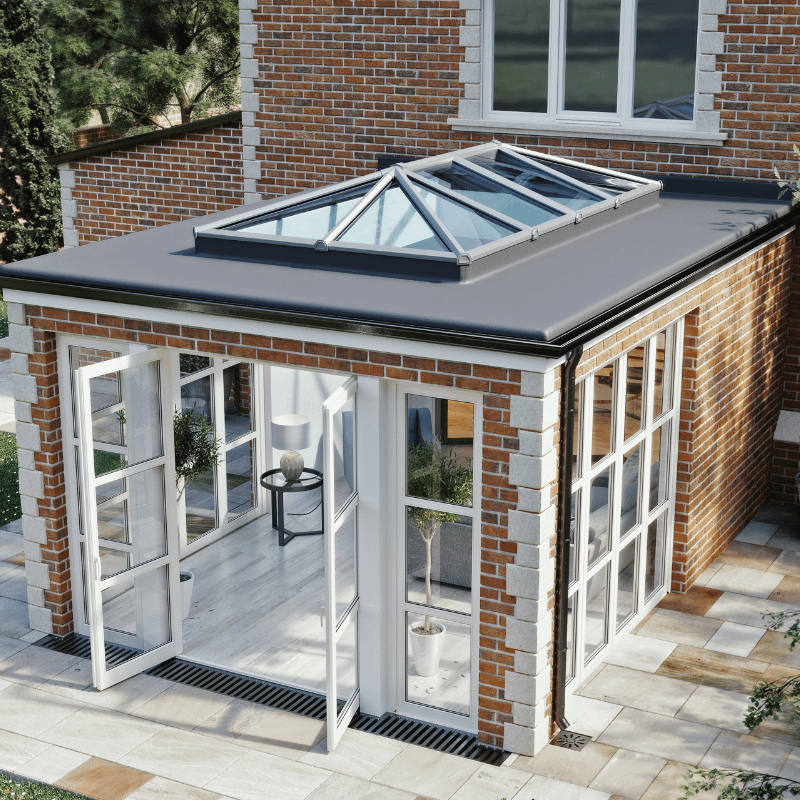
Can You Replace a Conservatory Roof Without Rebuilding the Conservatory?
Yes, it is often possible to replace a conservatory roof without rebuilding the entire conservatory, provided the existing structure can safely support the new roof. This can be a useful option if you’re happy with the size and layout but want to improve comfort.
For example, replacing an older polycarbonate or glass roof with an insulated warm roof can change how the room feels throughout the year.
However, the existing frames, supporting structure and foundations should be assessed first. A new roof can have different structural requirements from the one it replaces.
For homeowners who don’t currently need extra floor space, a roof replacement can therefore be an alternative to a larger conservatory extension. Celestial can assess the existing structure and advise whether a roof upgrade is suitable.
How Long Does a Conservatory Extension Last?
A well-designed and professionally installed conservatory extension can provide useful living space for many years, but its lifespan depends on the materials, construction quality and ongoing maintenance. There isn’t one fixed lifespan that applies to every conservatory.
Different parts of the structure can also age at different rates. Frames, glazing units, roof components, seals and finishes may eventually require maintenance or replacement even when the main structure remains sound.
Choosing durable materials and dealing with small maintenance issues early can help extend the useful life of the room.
If you’re extending an older conservatory, it’s worth considering the remaining condition of the existing components too. Adding a new section to a structure already approaching the end of its useful life may not always be the most economical approach.
Will a Conservatory Extension Add Value to My Home?
A well-designed conservatory extension can make your home more attractive to buyers by providing additional usable living space, but an increase in property value isn’t guaranteed. How much difference it makes will depend on the quality of the extension, your property and the local housing market.
The most useful projects tend to create space that feels like a genuine part of the home rather than an occasional-use room.
Features that may improve its appeal include:
- Good insulation and thermal performance
- A practical connection with existing rooms
- Plenty of natural light
- A layout suited to everyday living
- A design that complements the original property
It’s therefore better to focus first on creating a room that improves how you use your home rather than extending solely because you expect a particular financial return.
Can You Live in Your Home While a Conservatory Is Being Extended?
In many cases, you can continue living in your home while a conservatory extension is being built, although you should expect some noise, dust and temporary disruption during construction.
How much the project affects you will depend on the work involved. Extending the outer footprint while retaining the existing external doors may cause relatively limited disruption inside your home.
Creating a large open-plan connection can be more disruptive. Removing an external wall, installing structural supports and completing internal plastering, electrics or flooring will affect the adjoining room.
Access is another consideration. Installers may need a route through or alongside your property for materials and equipment.
Celestial can discuss the proposed work with you beforehand, so you understand the likely construction process and how the project could affect your home while it’s underway.