
You might not see them, but draughts around your windows and doors could be costing you hundreds of pounds each year. Small gaps and worn seals allow warm air to escape while cold air enters your home. The result is a house that feels colder, heating systems that work harder, and energy bills that continue to rise.
Many homeowners ignore these small draughts because they seem minor at first. However, over time they can lead to much bigger problems. Wasted heat increases household energy costs, while persistent cold air and moisture can contribute to condensation, damp, and even damage to window frames or surrounding walls.
Understanding the real impact of draughty windows and doors is the first step toward improving comfort and energy efficiency in your home. By identifying the causes early and addressing them properly, homeowners can prevent unnecessary heat loss and protect their property from long-term issues.
In this guide, we will explain:
- how window and door draughts increase energy bills
- the hidden ways draughts can affect your comfort and indoor air quality
- how ignoring small gaps can lead to condensation, damp, and property damage
- the warning signs that your windows or doors may need attention
- when repairs are enough and when replacement becomes the smarter long-term solution
Why Ignoring Draughts Costs You More Than You Think
Draughts may seem like a small inconvenience, but the financial and comfort impact can be significant. According to guidance from the Energy Saving Trust, up to 30% of a home’s heat loss can occur through windows and doors. When warm air escapes through gaps and worn seals, your heating system has to work harder to maintain a comfortable temperature.
Over time, this constant heat loss creates several problems.
Higher energy bills.
Every winter, your heating system uses more energy to replace the warmth that escapes through draughty windows and doors.
Cold spots around the home.
Rooms can feel unevenly heated, with noticeable chilly areas near windows, doors, or external walls.
Extra strain on your heating system.
Boilers and radiators must work harder and run longer, which can increase wear and maintenance costs.
Damp and mould risk.
Cold air meeting warm indoor air can create condensation around frames, encouraging damp patches and mould growth.
Small gaps may not seem serious at first, but over time they create a cycle of wasted heat, rising energy costs, and reduced comfort.
The Hidden Costs of Draughts Over Time
The true cost of draughty windows and doors often becomes clear over several years. What starts as a minor inconvenience can gradually turn into a much more expensive problem.
Energy Waste
Heating systems constantly compensate for escaping heat when draughts are present. For many households, this can add £100 or more to annual energy bills, particularly during colder months when heating is used most frequently.
Structural Damage
Moisture entering through poorly sealed windows and doors can lead to gradual damage around frames and surrounding walls. Over time this may cause peeling paint, warped timber, or rot, which can require costly repairs if left unresolved.
Health Concerns
Cold and damp indoor conditions can affect air quality. Persistent condensation and mould growth may aggravate allergies and respiratory problems, particularly for children or older occupants.
Reduced Property Value
Older, inefficient windows and doors can also affect a home’s appeal to potential buyers. Properties with poor insulation or visible draught problems may require upgrades before sale, which can reduce buyer interest or lower the property’s market value.
Addressing draught problems early is often far more affordable than dealing with the long-term consequences. Preventative maintenance or timely window upgrades can help homeowners save money, protect their property, and improve comfort for years to come.
Quick Fixes vs Long-Term Solutions
If you have noticed draughts around your windows or doors, there are a few simple steps you can try first. Small gaps can sometimes be reduced with basic draught-proofing products that improve the seal around frames.
Some common short-term fixes include:
- applying draught-proofing strips around window or door frames
- sealing small gaps with silicone sealant
- installing door brushes or draught excluders at the base of doors
- fitting letterbox flaps or keyhole covers to reduce cold air entry
These quick fixes can help reduce air leakage in the short term. However, they often only mask the problem rather than fully solving it.
If you are dealing with persistent condensation, noticeable gaps around frames, warped windows, or blown double glazing, the underlying issue may require professional attention. In these situations, simple draught-proofing measures are unlikely to restore proper insulation.
While temporary fixes can provide short-term relief, long-term comfort usually comes from modern, energy-efficient windows and doors designed to eliminate draughts and reduce heat loss.
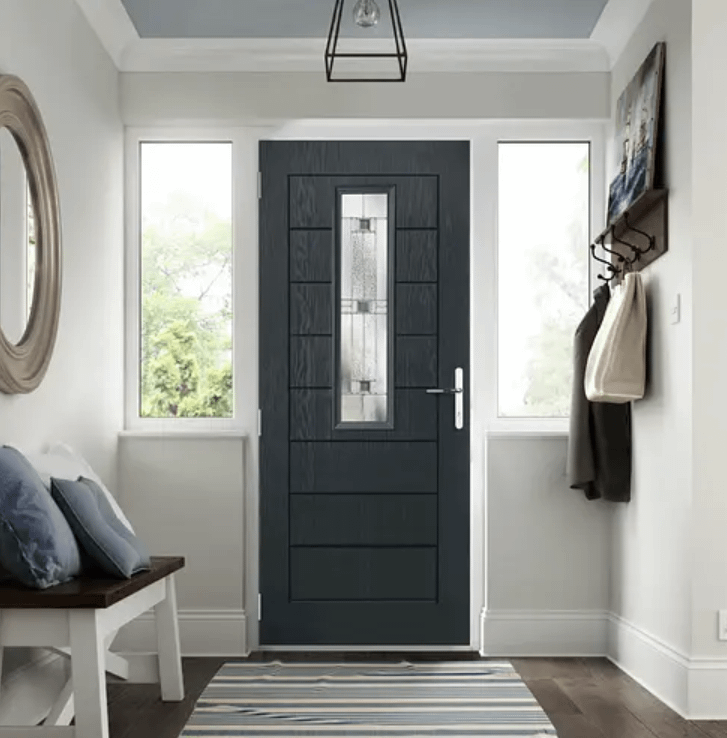
The Benefits of Upgrading Your Windows and Doors
Replacing ageing or inefficient windows and doors is one of the most effective ways to improve your home’s energy performance and comfort.
Modern glazing systems are designed with advanced insulation technology that significantly reduces heat loss. High-performance A-rated glass can reduce heat loss by up to 50% compared with older glazing, helping homeowners maintain a warmer indoor environment.
Upgrading your windows and doors can provide several long-term benefits:
- lower heating bills due to improved insulation
- more consistent indoor temperatures with fewer cold spots
- reduced outside noise, particularly in busy areas
- stronger security through modern locking systems and reinforced frames
New windows and doors can also transform the appearance of your property. Modern designs are available in a range of colours, finishes, and styles, allowing homeowners to improve kerb appeal while choosing low-maintenance materials.
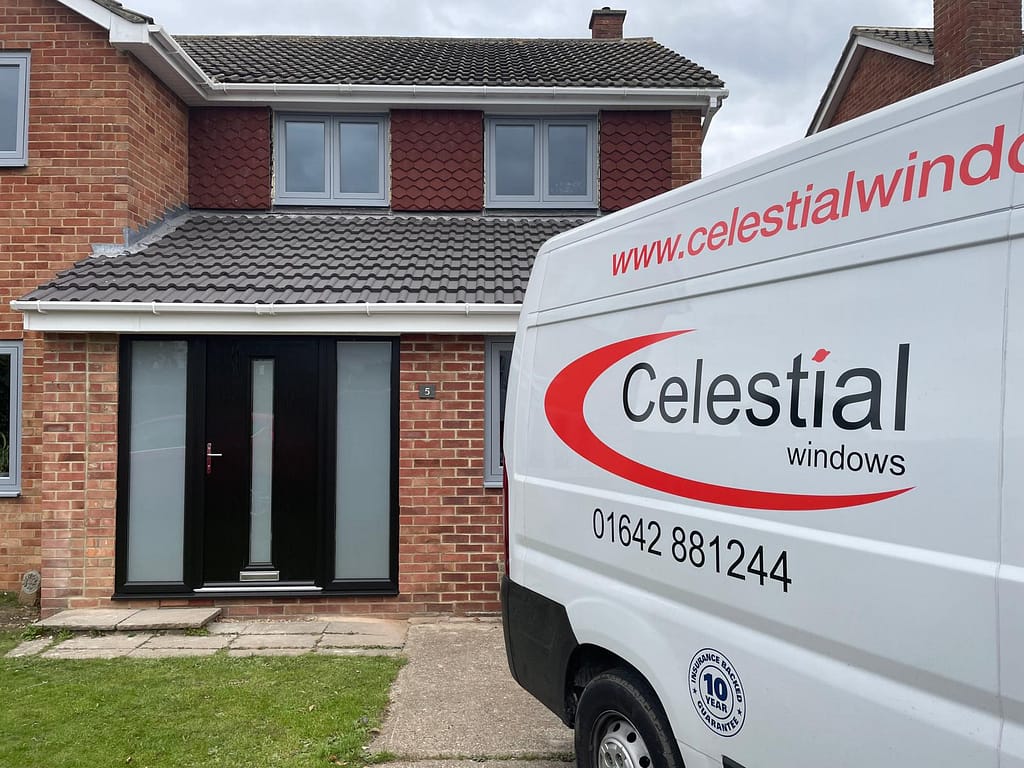
At Celestial Windows, our windows and doors are manufactured locally in Middlesbrough, ensuring every installation is made to measure for homes across Teesside and the wider North East. Our products are installed by FENSA-certified professionals and built to withstand the region’s challenging weather conditions.
With the right upgrade, homeowners can enjoy a warmer, quieter, and more energy-efficient home for many years to come.
How Celestial Windows Can Help You Save Energy and Money
Fixing draughty windows and doors does more than improve comfort. It can significantly reduce heat loss and lower household energy bills over time. The key is identifying the problem early and choosing the right solution for your home.
At Celestial Windows, we have decades of experience helping homeowners across Middlesbrough, Teesside, and the wider North East improve their home’s insulation and energy efficiency. Our team specialises in fitting high-quality windows and composite doors designed to perform in the region’s challenging weather conditions.
We believe in providing straightforward, honest advice. If a window or door can be repaired effectively, we will recommend that first. If replacement offers the best long-term value, we will guide you through the available options and explain the benefits clearly.
To help homeowners understand their energy efficiency, we also offer free, no-obligation home assessments. During this visit, our team can inspect your windows and doors, identify draught issues, and recommend practical solutions to reduce heat loss.
Speak with our team to find out how much heat your home could be saving with improved glazing.
Frequently Asked Questions About Window and Door Draughts
How much heat can be lost through draughty windows and doors?
Draughty windows and doors can be responsible for a significant amount of heat loss in a home. According to energy efficiency guidance from organisations such as the Energy Saving Trust, up to 30% of a property’s heat can escape through poorly insulated windows and doors. When seals deteriorate or frames develop gaps, warm indoor air escapes while colder outside air enters the home. This forces heating systems to work harder to maintain a comfortable temperature. Over time, the increased energy use can lead to noticeably higher heating bills. Improving insulation by repairing seals or upgrading to modern double glazing can dramatically reduce this heat loss.
What causes draughts around windows and doors?
Draughts usually occur when air is able to pass through gaps around a window or door frame. These gaps can develop for several reasons. The most common causes include worn rubber seals, damaged weather-stripping, poor installation, or ageing frames that have warped slightly over time. Older windows may also suffer from failed glazing units, where the seal between glass panes breaks down. Environmental conditions such as wind, damp air, and temperature changes can accelerate wear on window components, particularly in coastal or colder climates. Identifying the underlying cause is important because the correct solution may involve simple repairs or, in some cases, replacing the window or door.
How can I tell if my windows are letting in draughts?
There are several simple ways to identify draughty windows. One common method is the hand test: move your hand slowly around the edges of the window frame to see if you can feel cold air entering the room. Other signs may include rattling frames during windy weather, condensation between glass panes, or curtains moving slightly when the window is closed. Some homeowners also notice cold spots near windows or higher heating bills without an obvious reason. These warning signs often indicate that seals have worn out or the window is no longer providing an airtight barrier.
Can draughty windows be repaired or do they need replacing?
Many draughty windows can be repaired, particularly if the problem is caused by worn seals, minor frame gaps, or hinge misalignment. Replacing weather-stripping or resealing the frame can sometimes restore proper insulation. However, if the glazing unit has failed, the frame has warped, or the windows are very old, replacement may be the more effective long-term solution. Modern double glazed windows offer significantly improved insulation compared with older designs. They can reduce heat loss, improve indoor comfort, and lower energy costs. A professional inspection can determine whether repair or replacement is the best option.
Do new windows really reduce heating bills?
Yes, upgrading to modern energy-efficient windows can reduce heating bills by improving a home’s insulation. New double glazed windows use advanced features such as Low-E glass coatings, insulated frames, and gas-filled glazing units to minimise heat loss. These technologies help keep warm air inside the property during colder months while preventing cold air from entering. As a result, heating systems do not need to work as hard to maintain a comfortable temperature. Over time, the improved thermal efficiency can lead to noticeable energy savings while also making the home warmer and more comfortable.
Final Thoughts
Draughts around windows and doors may seem like a minor problem, but over time they can lead to higher energy bills, uncomfortable living spaces, and even damage to your home. Ignoring these small gaps allows heat to escape, forcing heating systems to work harder and increasing long-term costs.
The good news is that many of these issues can be resolved with the right approach. Whether through simple repairs or upgrading to modern energy-efficient windows and doors, improving your glazing can make a significant difference to both comfort and efficiency.
A warmer, more energy-efficient home is within reach – and Celestial Windows can help you achieve it.
If you would like expert advice on repairing or upgrading your windows and doors, contact the Celestial Windows team today for a free quote or home assessment.